Close Menu
Crypto Valley Journal
    Facebook X (Twitter) Instagram
    Crypto Valley Journal
    • Hot Topics
      • News
      • Minds
    • Focus
      • Background
      • Blockchain
      • Legal & Compliance
      • Non-Fungible Token (NFTs)
    • Investing
      • Markets
      • Financial Products
      • Decentralized Finance (DeFi)
      • Exchange overview
    • Education
      • Basics
      • Glossary
      • Politicians on crypto
    • Statistics
      • Bitcoin-ETF-Flows
      • Ethereum-ETF-Flows
      • Crypto market data
      • On-chain data
    • Academy
      • Overview
      • Part 1: Blockchain
      • Part 2: Money
      • Part 3: Bitcoin
      • Part 4: Cryptocurrencies
      • Part 5: Decentralized Finance
      • Part 6: Investing
    • English
      • Deutsch
    Crypto Valley Journal
    You are at:Home»Focus»Legal & Compliance»US Senate introduces counter-proposal to the Clarity Act
    US Senate introduces counter-proposal to the Clarity Act

    US Senate introduces counter-proposal to the Clarity Act

    By Editorial Office CVJ.CH on 23. January 2026 Legal & Compliance

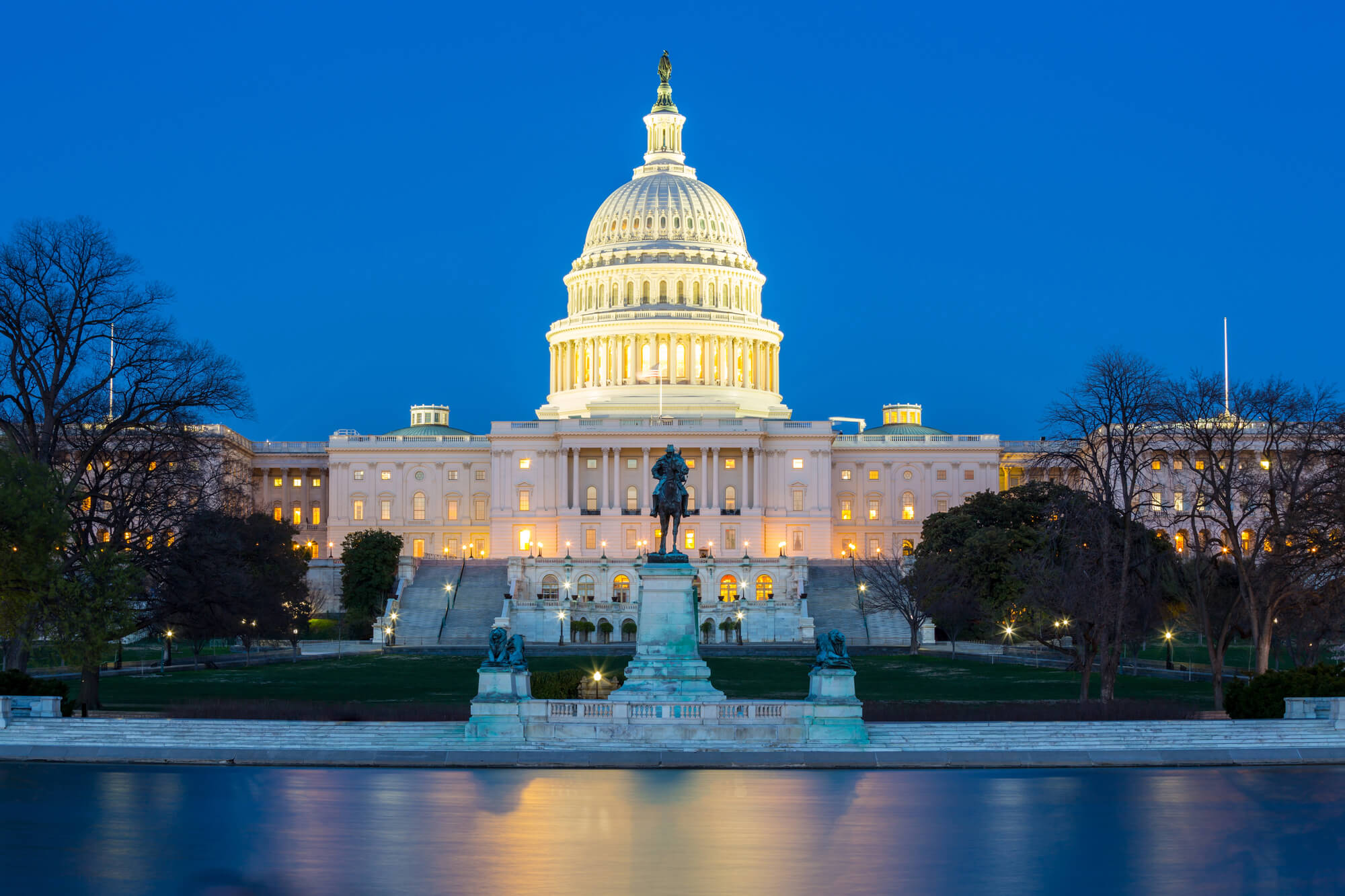
    The US Senate Agriculture Committee has introduced the Digital Commodity Intermediaries Act. The 155-page bill grants the Commodity Futures Trading Commission (CFTC) primary oversight of spot markets for digital commodities like Bitcoin.

    Senator John Boozman, Republican chairman of the committee, released the legislative text on January 21. The committee vote is scheduled for January 27. The bill lacks Democratic support. This reduces its chances of passing the Senate. The proposal emerged amid stalled discussions on the CLARITY Act crypto infrastructure legislation.

    Subscribe to our newsletter

    The best articles of the week, directly delivered into your mailbox.

    CFTC receives broad powers

    The bill creates a new regulatory framework for crypto trading in the United States. At its core is the definition of digital commodities: fungible digital assets that can be transferred without intermediaries and are recorded on a cryptographically secured ledger.

    Crypto platforms would need to register with the CFTC. The bill introduces four new categories: Digital Commodity Broker, Digital Commodity Custodian, Digital Commodity Dealer, and Digital Commodity Trading Facility. Each category has specific requirements for risk management, transparency, and customer protection.

    Stablecoins, bank deposits, and tokenized securities do not fall under the new definition. The SEC remains responsible for these instruments. The bill primarily targets assets classified as commodities.

    Democrats refuse support

    Senator Cory Booker, the Democratic lead negotiator, had worked with Boozman for months on a bipartisan compromise. Still, no agreement was reached.

    "I am particularly concerned about the lack of resources and bipartisan commissioners at the CFTC, regulatory arbitrage, and the ongoing corruption of public officials." - Senator Cory Booker

    The CFTC faces significant structural problems. Currently, only one commissioner is serving. The law requires five. The agency also has far fewer staff than the SEC with its approximately 4,200 employees. A new funding mechanism in the bill would collect fees from crypto companies. The details remain unclear.


    Ray Dalio’s Bridgewater Associates Minds

    Star investor Ray Dalio considers Bitcoin inferior to gold

    CLARITY Act DeFi Background

    CLARITY Act: The year’s most important crypto deal heads for a decision

    JPMorgan warns: Recurring DeFi exploits and stagnant ETH-denominated TVL curb institutional engagement in the DeFi sector. DeFi

    JPMorgan: DeFi hacks and TVL losses weigh on institutional investors

    Basics

    Unit bias in crypto: Why cheap coins mislead investors

    Ray Dalio’s Bridgewater Associates Minds

    Star investor Ray Dalio considers Bitcoin inferior to gold

    CLARITY Act DeFi Background

    CLARITY Act: The year’s most important crypto deal heads for a decision

    Background: Clarity Act and the regulatory vacuum

    The United States has struggled for years to establish a coherent legal framework for digital assets. Both the SEC and CFTC claimed jurisdiction. This led to legal uncertainty and numerous lawsuits against crypto exchanges like Coinbase and Binance.

    The House of Representatives already passed the Clarity Act (officially: Financial Innovation and Technology for the 21st Century Act). The Clarity Act clearly divides oversight between the SEC and CFTC. Yet the Senate needs its own version. The new bill deviates from the Clarity Act and gives the CFTC more authority. The Banking Committee, responsible for SEC-related aspects, delayed its vote multiple times.

    Boozman is now pushing for speed. In a statement, he emphasized: "This timeline ensures transparency and allows for thorough review." At the same time, he acknowledged that differences on fundamental policy issues remain.

    Uncertain path to passage

    Passage in the Senate requires 60 votes. Without Democratic support, Republicans cannot clear this hurdle. And the bill contains several placeholders indicating unresolved disputes.

    The crypto industry is intensifying its lobbying efforts. Clear US crypto regulation would provide legal certainty for exchanges, brokers, and institutional investors. Yet the political divide between parties runs deep. Whether the Digital Commodity Intermediaries Act becomes law depends on whether Boozman can still convince the Democrats.

    Share. Facebook Twitter LinkedIn Email Telegram WhatsApp

    About the author

    Editorial Office CVJ.CH

      The CVJ editorial staff consists of a team of Blockchain experts and informs daily and independently about the most exciting news.

      Related Articles

      CLARITY Act DeFi

      CLARITY Act: The year’s most important crypto deal heads for a decision

      FINMA tightens consumer protection in crypto, grants first DLT license to BX Digital, and plans new license categories for stablecoin issuers.

      FINMA tightens crypto supervision and warns of consumer risks

      Coinbase backs the CLARITY Act compromise on stablecoin rewards, now the Senate committee markup path opens, with passage likely.

      Crypto industry backs down: Coinbase accepts CLARITY Act compromise

      JPMorgan sees Bitcoin ahead of gold in the debasement trade: GLD loses 2.7% AUM, IBIT gains 1.5% AUM since Iran war outbreak.
      8. May 2026

      JPMorgan: Bitcoin overtakes gold in the debasement trade

      Bitcoin regime shift in question as April rally pushes BTC above $80k, with $2.4 billion in ETF inflows and patient capital building support.
      8. May 2026

      Spring cleaning: Bitcoin tests the regime shift above $80k

      CLARITY Act DeFi
      7. May 2026

      CLARITY Act: The year’s most important crypto deal heads for a decision

      twitter image button instagram image button linkedin image button youtube image button

      About Crypto Valley Journal
      About Crypto Valley Journal

      On the pulse of the movement

      • Academy
      • Contact
      • Advertising
      • About us
      • Partner
      • Imprint
      • Privacy
      • Disclaimer
      Search

      Type above and press Enter to search. Press Esc to cancel.