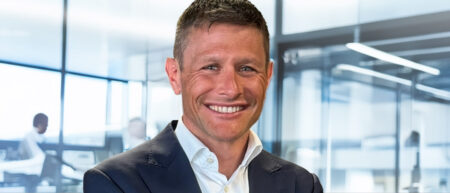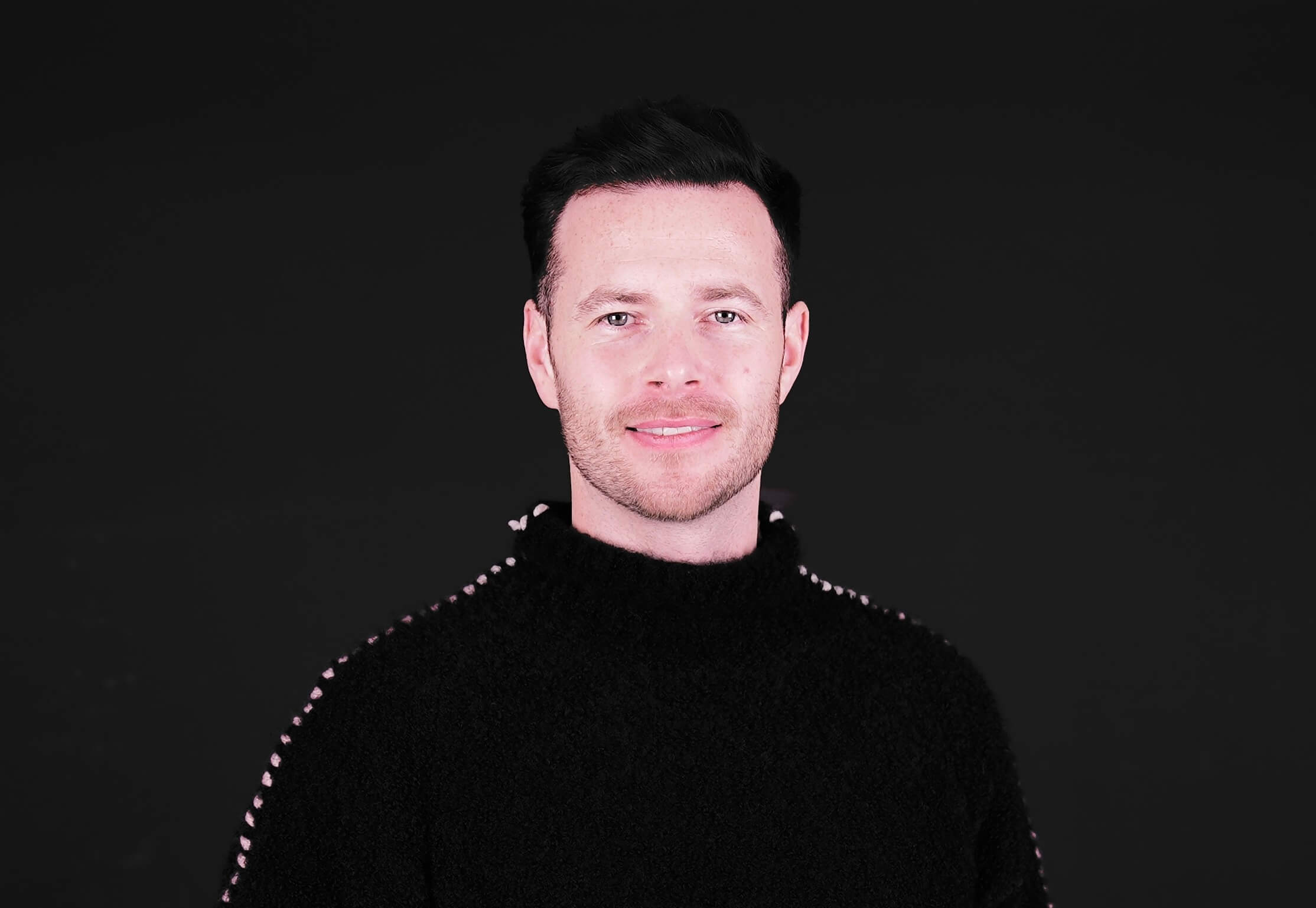
In a conversation with CVJ.CH, Lucas A. Ereth, Managing Partner at GenTwo, shares insights into his background and “assetization”. This is a process that converts bankable and non-bankable assets into investable securities within the traditional banking system.
With clients in 28 countries, GenTwo is focused on democratizing access to investment by connecting unconventional assets such as uranium, forests, intellectual property or meme coins to traditional finance. The company aims to unlock a $78 trillion market of unbankable assets and drive inclusivity and fairness in the financial ecosystem.
CVJ.CH: Please briefly introduce yourself and your journey in the financial world.
Lucas A. Ereth: Sure. My name is Lucas Amadeus Ereth, and I’ve always been fascinated by money—what it represents and how it moves. As a kid, I received a gold coin every Christmas from my grandmother. I would look at it and think, "Wow, what is this? What can I do with it?" I didn’t fully understand it, but I was intrigued by the concept of value. It was explained to me that I could exchange it for something, which sparked my curiosity.
Over time, this fascination grew. I began to see money as more than just a tool; it’s like the oxygen that keeps ideas and companies alive. I started my entrepreneurial journey at 19 in Los Angeles, working on my first ventures alongside my studies. Over the years, I launched six or seven startups, raising capital for them. That’s how I began understanding the mechanics of finance.
Eventually, I had the privilege of working with Tony Forstmann, a pioneer in the hedge fund industry. He founded the first hedge fund on Wall Street in 1968 and played a major role in developing leverage buyouts and private equity. Working in his family office taught me a lot about financial structuring, hedge funds, and how money flows. But it also opened my eyes to the inefficiencies and friction in the system. Things were complicated—especially when lawyers got involved—and that complexity stuck with me as something that needed solving.
When did crypto and blockchain enter the picture?
It was around 2016-2017 when a friend of mine conducted an ICO and raised $10 million practically overnight. That’s when I first paid attention to crypto. When I started to understand the blockchain and Bitcoin, I became captivated. Blockchain is a fully distributed system, and once you grasp that concept, it’s revolutionary. It’s not just about digital currencies—it’s about creating a fairer system of value distribution.
Then I learned about Ethereum and smart contracts, which opened up a whole new world of possibilities. That’s when I decided to move to Switzerland and help build GenTwo Digital. The idea was to leverage blockchain principles but integrate them into traditional finance. I joined the company about three months after its founding and immediately saw the potential to eliminate friction in the financial system.
At GenTwo, you focus on "assetization." Can you explain what that means and how it differs from tokenization?
Assetization is conceptually similar to tokenization but operates within the traditional banking network rather than on distributed ledgers. Tokenization wraps assets into digital tokens and relies on blockchain networks. Assetization, on the other hand, wraps assets into securities that integrate seamlessly into the banking system.
The key difference is scale and accessibility. The banking network is the largest financial system globally, with trillions of dollars flowing through it. By using this existing infrastructure, assetization removes the speculative nature of tokenization while ensuring that assets remain within the regulatory and operational framework banks are familiar with. It’s about reducing friction and democratizing access to investments.



Securitization has been around for decades. What makes your approach unique?
Traditional securitization is controlled by banks, and the assets end up on their balance sheets. This creates a consolidated risk. If the bank fails, the assets are at risk, as we saw in the 2008 financial crisis. With GenTwo, we developed a one-to-one, off-balance-sheet securitization model. Each client gets their own issuance vehicle, ensuring their assets remain separate and secure, no matter what happens to the bank or issuer.
This approach decentralizes risk while staying compatible with the banking system. We spent two years working with top legal experts to craft a robust framework. That’s why we call it the second generation of securitization—hence the name, GenTwo.
What challenges do you see in scaling assetization globally?
Education is the biggest challenge. The financial system is incredibly complex, and most people don’t fully understand how it works. It took me years to piece it all together. Crypto has done a great job of demystifying finance, but it’s still technical and often inaccessible to the average person.
User experience is another hurdle. Financial products, especially in crypto, often have poor UX/UI. Making these tools easy to use is crucial. Lastly, transitioning from old financial rails to new ones is a monumental task. The current system relies on decades-old infrastructure like SWIFT and IBANs, which are only partially interoperable. Replacing these systems with distributed ledgers will take years—perhaps 5 to 10, or even longer.
Switzerland has been a key market for GenTwo. Do you see Europe leading this innovation, or is the US catching up?
Switzerland has been an ideal launchpad. It’s a sophisticated and challenging market, making it a great place to prove our concept. But we’ve always had global ambitions. We’ve opened an office in London and already have clients in 28 countries. The US is definitely on our roadmap. With support from strategic investors like Point72’s Steve Cohen, we’re positioned to scale assetization worldwide.
And where is your business headed?
With assetization, we’re truly just beginning to tap into its potential. Over the past seven years, we’ve assetized $5 billion worth of underlying assets and issued 1,400 securities on some of the most innovative and exotic assets imaginable. And this is just the start. Consider the vast universe of non-bankable assets—intellectual property like music, films, patents, and other intangible assets—worth an estimated $78 trillion globally. These assets, which currently can’t be accessed or purchased through traditional banking systems, are prime candidates for assetization.
By making such assets accessible within a bankable framework, we unlock tremendous value and utility for investors. Moreover, the broader distribution of these assets has the potential to create a more equitable financial system. The ability to widely distribute and access these assets could make finance not only more inclusive but also fundamentally fairer. While this might sound philosophical, I firmly believe in its transformative potential.
We’ve assetized some fascinating things, from uranium and Romanian forests to intellectual property like music and patents. One interesting example is meme coins—crypto assets that many see as speculative but still hold value for certain investors. By assetizing them, we make these assets accessible within traditional banking systems. It’s a way of bridging two worlds.
What’s your long-term vision for assetization and its role in the financial ecosystem?
Assetization is a tool for catalyzing ideas. Money is a catalyst—it creates jobs, drives innovation, and turns ideas into reality. By democratizing access to financial tools, we’re enabling more people to invest in their beliefs. This has the potential to create a fairer, more inclusive system.
In the long term, I believe all assets will be tokenized or assetized. But for now, assetization provides a necessary bridge. It uses the existing financial infrastructure to enable innovation while maintaining security and accessibility. Ultimately, it’s about creating a unified financial system that works for everyone. While we’re not there yet, I’m optimistic about what the next decade holds.
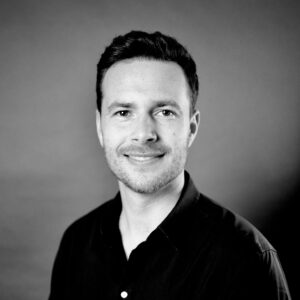
Lucas is a business builder and serial entrepreneur with a proven track record in digital media, venture capital, and the rapidly evolving world of crypto and digital assets. His career began in California’s tech hubs, where he gained hands-on experience building and scaling startups in fast-paced, innovative environments. Since 2016, Lucas has been an advocate for blockchain technology and its transformative potential. Today, as Member of the Board and Brand Ambassador at GenTwo Digital, he focuses on bridging traditional finance with emerging crypto technologies, championing the concept of Assetization - turning almost any asset into investable and bankable financial products.