Close Menu
Crypto Valley Journal
    Facebook X (Twitter) Instagram
    Crypto Valley Journal
    • Hot Topics
      • News
      • Minds
    • Focus
      • Background
      • Blockchain
      • Legal & Compliance
      • Non-Fungible Token (NFTs)
    • Investing
      • Markets
      • Financial Products
      • Decentralized Finance (DeFi)
      • Exchange overview
    • Education
      • Basics
      • Glossary
      • Politicians on crypto
    • Statistics
      • Bitcoin-ETF-Flows
      • Ethereum-ETF-Flows
      • Crypto market data
      • On-chain data
    • Academy
      • Overview
      • Part 1: Blockchain
      • Part 2: Money
      • Part 3: Bitcoin
      • Part 4: Cryptocurrencies
      • Part 5: Decentralized Finance
      • Part 6: Investing
    • English
      • Deutsch
    Crypto Valley Journal
    You are at:Home » Hot Topics » News » Russia bets on cryptocurrencies for oil trade
    Russia bets on cryptocurrencies for oil trade

    Russia bets on cryptocurrencies for oil trade

    By Editorial Office CVJ.CH on 17. March 2025 News

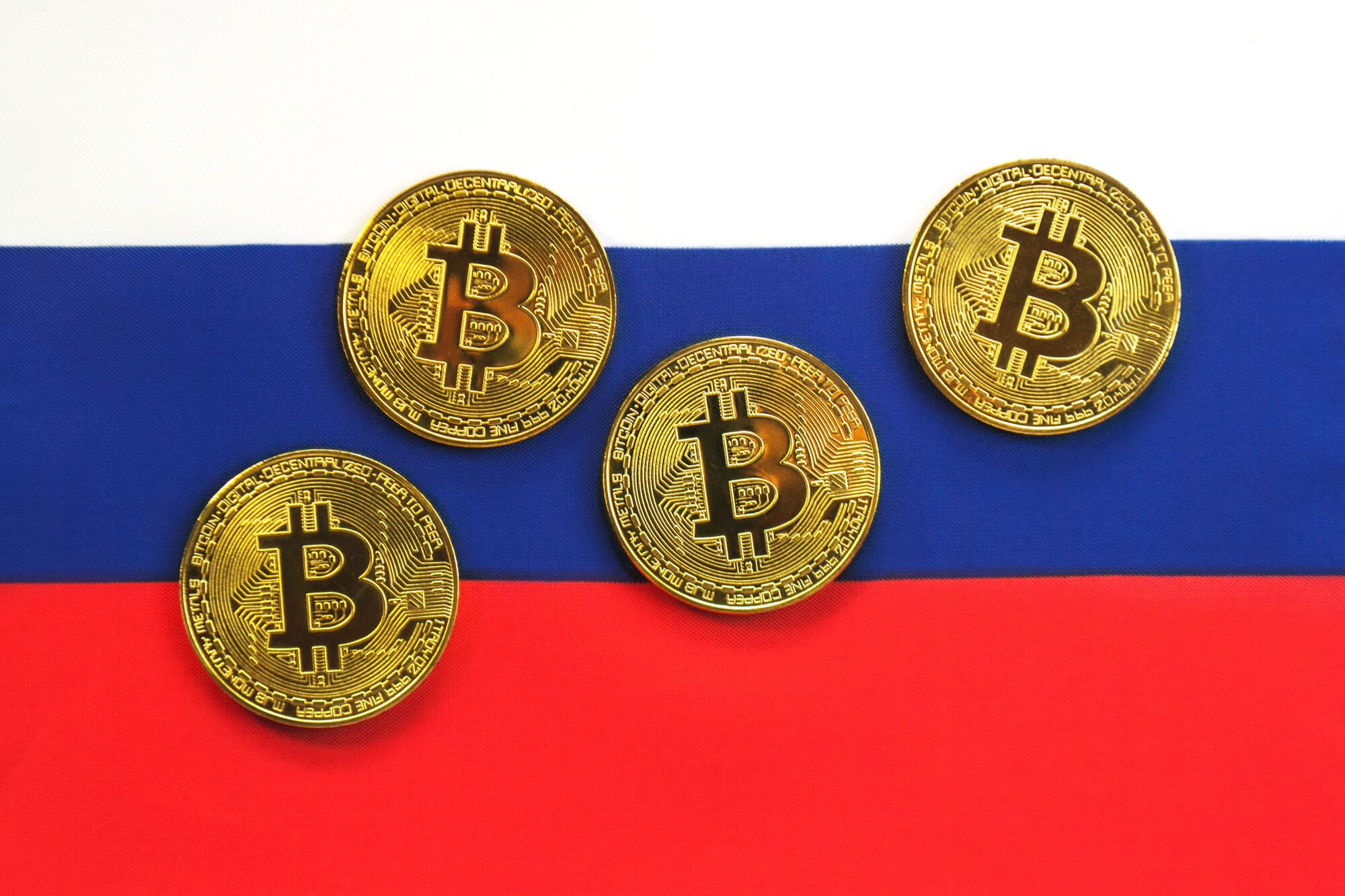
    In light of ongoing Western sanctions, Russia is exploring alternative methods for international transactions. According to media reports, the country is increasingly relying on cryptocurrencies such as stablecoins to maintain oil exports despite the restrictions.

    Russia is increasingly using digital assets like Tether (USDT) to process international payments in oil trading, Reuters reports. Payments from countries such as China, Turkey, and the United Arab Emirates are now being settled in cryptocurrencies. With this move, Moscow aims to detach itself from traditional financial systems like SWIFT and circumvent sanctions. The growing use of cryptocurrencies highlights how digital financial instruments are gaining geopolitical relevance.

    Subscribe to our newsletter

    The best articles of the week, directly delivered into your mailbox.

    Crypto payments instead of bank transactions

    Since the exclusion of Russian banks from the SWIFT network following sanctions imposed after the invasion of Ukraine, Russia has been searching for alternatives to process international trade transactions. Particularly in the lucrative oil trade, Russian traders are increasingly turning to stablecoins, primarily USDT, which is pegged to the US dollar and offers high liquidity.

    According to insiders, payments are made via wallets, often routed through intermediary financial hubs such as Dubai. From there, the amounts are converted into fiat currencies or transferred into alternative assets. The advantage: cryptocurrencies are faster, cheaper, and harder to track than traditional bank transfers. At the same time, they bypass Western regulatory authorities, which plays into Russia's hands given the current situation.


    Ray Dalio’s Bridgewater Associates Minds

    Star investor Ray Dalio considers Bitcoin inferior to gold

    18 percent hold crypto assets in Switzerland, an IFZ and LUKB study shows. Banks see potential for up to 1 million advisory clients. Background

    HSLU and LUKB study: 18% of the Swiss population hold crypto assets

    Robinhood Perpetual Futures in Europe now cover commodities and currencies, and the broker plans a crypto launch in the United Kingdom. Financial Products

    Robinhood Perpetual Futures expand to commodities in Europe

    Digital finance transparency relies on Proof of Reserves, Merkle trees, MPC custody and 24/7 monitoring to verify solvency and user assets. Basics

    Transparency as the foundation of security in digital finance

    Ray Dalio’s Bridgewater Associates Minds

    Star investor Ray Dalio considers Bitcoin inferior to gold

    18 percent hold crypto assets in Switzerland, an IFZ and LUKB study shows. Banks see potential for up to 1 million advisory clients. Background

    HSLU and LUKB study: 18% of the Swiss population hold crypto assets

    Global implications and regulatory pressure

    A state like Russia using cryptocurrencies in the oil trade marks a geopolitical turning point. It demonstrates the potential of digital assets to challenge existing financial architectures. Other countries with restricted access to international payment systems may follow suit.

    For regulators worldwide, this development presents a new challenge: on the one hand, stablecoins offer efficiency – on the other, they pose a risk to transparency and oversight. The global financial landscape is undergoing a transformation in which cryptocurrencies could play an increasingly central role.


    Share. Facebook Twitter LinkedIn Email Telegram WhatsApp

    About the author

    Editorial Office CVJ.CH
    • Website
    • Twitter
    • LinkedIn

    Since 2018, the editorial team at Crypto Valley Journal has been reporting from Zug - the heart of Switzerland’s Crypto Valley - on Bitcoin, cryptocurrency, blockchain, and regulatory developments in digital assets. Behind the publication’s collective editorial voice is a team of writers with backgrounds in financial markets, law, and technology.

    Related Articles

    Trump's financial disclosure reports over 1.4 billion USD in crypto income for 2025, making cryptocurrencies his largest source of income.

    Trump reports 1.4 billion USD in crypto income for 2025

    More than 100 financial firms, including BlackRock, Visa, and Mastercard, are founding the Open Standard consortium and planning to launch the OpenUSD stablecoin in the second half of the year.

    OpenUSD: BlackRock, BNY, Visa, Stripe, and others plan dollar stablecoin

    ARK Invest buys Coinbase, Circle, Bullish and Robinhood shares for USD 16.9 million - the second crypto-basket purchase within one week.

    Cathie Wood’s ARK Invest buys more Coinbase and Circle shares

    Six Swiss crypto service providers secured MiCA authorization. AMINA was the world's first; Sygnum and Bitcoin Suisse followed later.
    2. July 2026

    Six Swiss crypto service providers secure MiCA authorization

    Robinhood Perpetual Futures in Europe now cover commodities and currencies, and the broker plans a crypto launch in the United Kingdom.
    2. July 2026

    Robinhood Perpetual Futures expand to commodities in Europe

    The Clarity Act delay is intensifying: Galaxy Research cut the odds of a 2026 signing to 50%, while Polymarket now prices them at just 39%.
    1. July 2026

    Window missed: Clarity Act faces delay until 2030

    twitter image button instagram image button linkedin image button youtube image button

    About Crypto Valley Journal
    About Crypto Valley Journal

    On the pulse of the movement

    • Academy
    • Contact
    • Advertising
    • About us
    • Partner
    • Imprint
    • Privacy
    • Disclaimer
    Search

    Type above and press Enter to search. Press Esc to cancel.