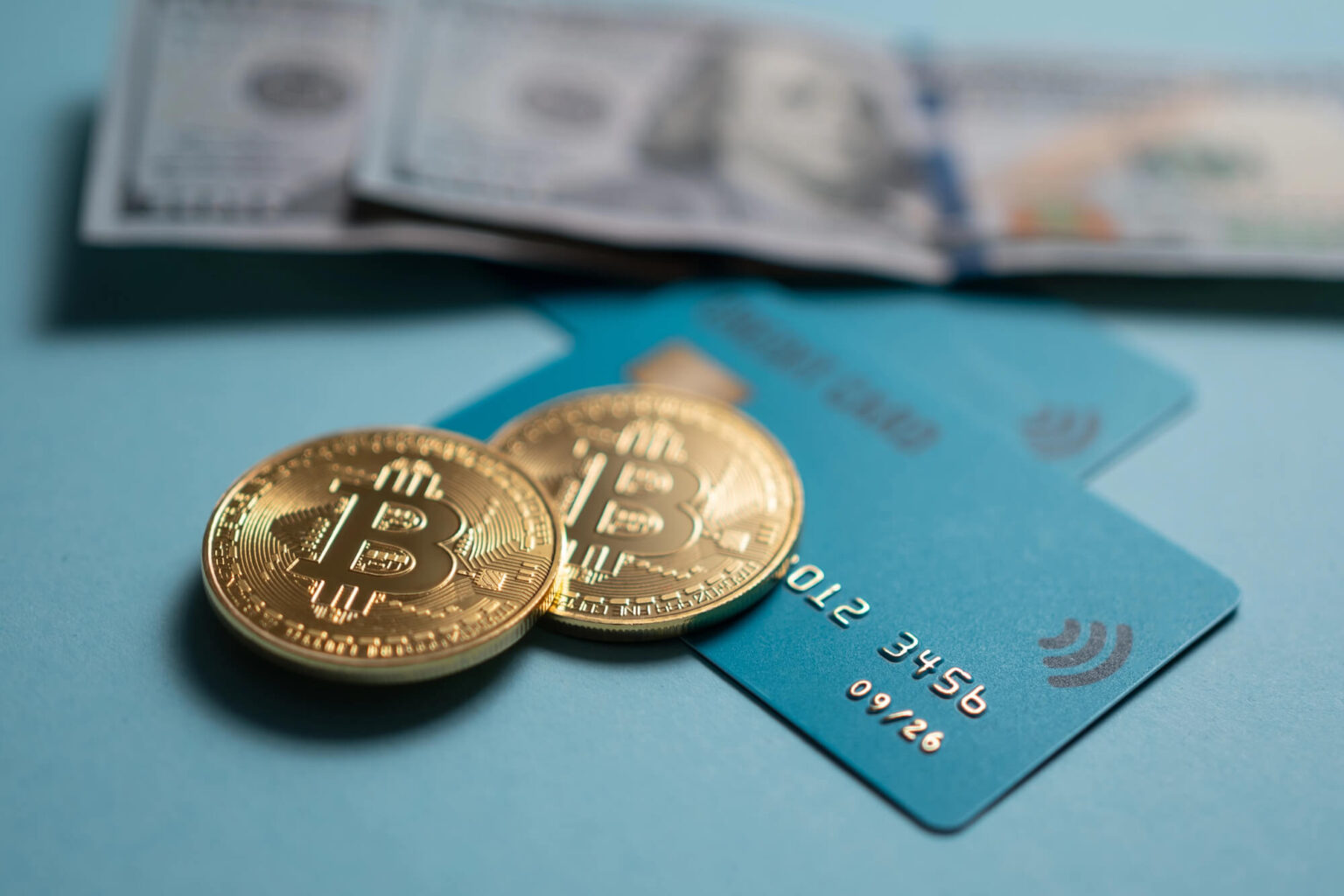
Most crypto cards hide who issues them. After mapping the licensed issuers, here is why Switzerland’s self-issuing model reads differently.


Mihail is the founder of Sweepbase, an independent research project and comparison database for crypto-linked payment cards. Sweepbase tracks 141 active cards across regions, networks, custody models and fees, and (unusually for the category) the licensed banks and e-money institutions that actually issue them. He started the project after running into the problem most cardholders have: the brand printed on a crypto card rarely tells you who really stands behind it, which regulator would step in if something broke, or how your money is protected. Sweepbase's work centres on reading the primary documents (cardholder agreements, regulator registers, company filings) rather than repeating marketing copy. Sweepbase earns affiliate revenue on some cards and discloses it, and keeps the research and ratings separate from it.
Most crypto cards hide who issues them. After mapping the licensed issuers, here is why Switzerland’s self-issuing model reads differently.

Ethereum Foundation researcher Justin Drake calls for Bunker Mode because AI mathematics could break ECDSA before quantum computers do.

The privacy coins sector grew from USD 6.2 billion to USD 30 billion in one year, while institutions make privacy a precondition for moving on-chain.