Two prominent developers of AI coding tools are financing their work through community tokens on Solana instead of venture capital. Geoffrey Huntley and Steve Yegge accept revenue from the tokens RALPH and GAS, which were launched on the platform Bags.fm without their involvement.
Huntley reported receiving 300,000 USD in his bank account within seven days. Both developers work on tools for Claude Code, Anthropic's official AI development tool. Huntley created the "Ralph Wiggum Technique," a method for autonomous AI agent loops. Yegge developed Gas Town, an orchestrator for 20 to 30 parallel AI coding agents. Both tools are open source and target developers who want to automate AI-powered workflows.
Two tools, different approaches
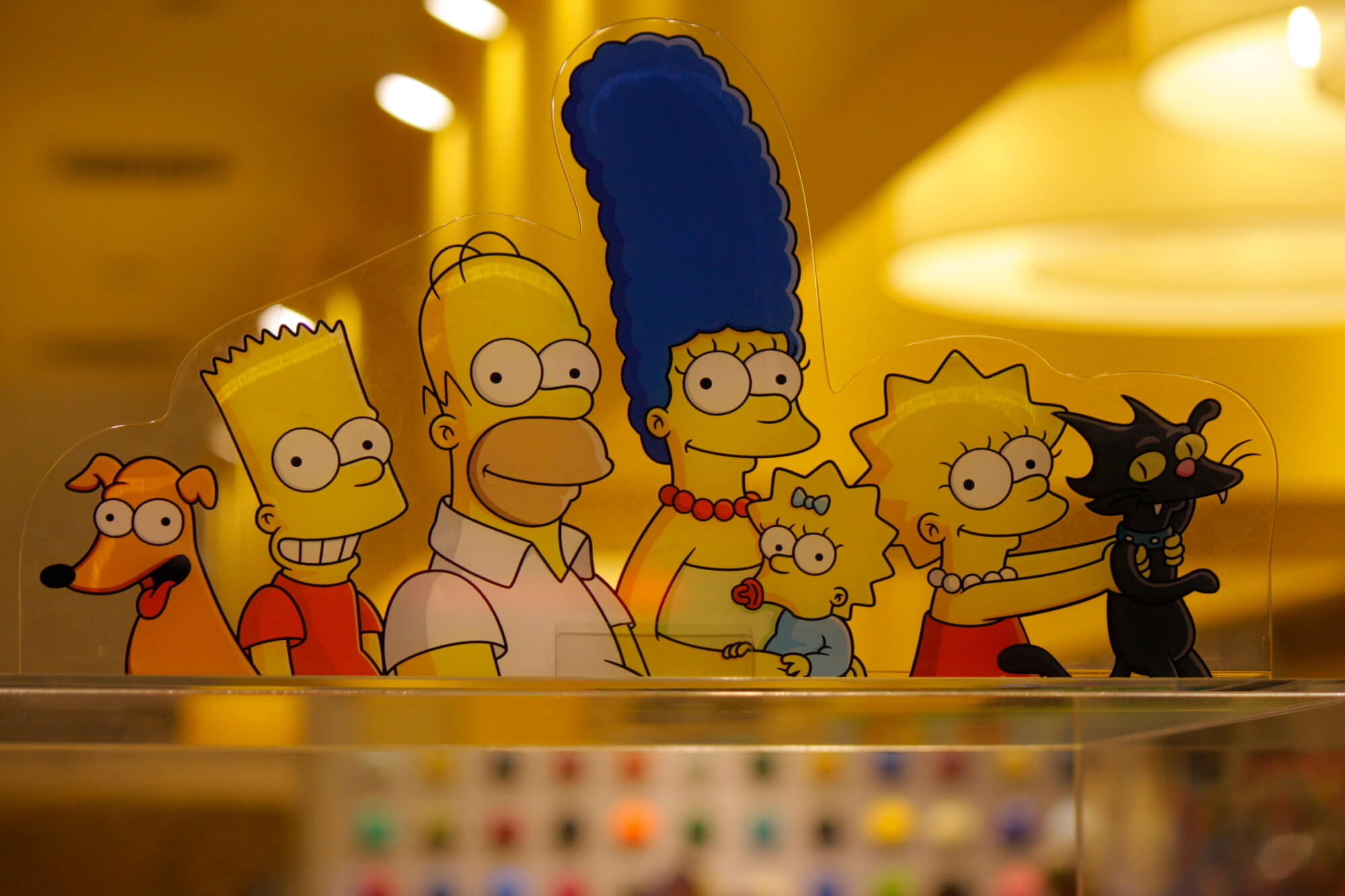
Ralph is a bash loop methodology that repeatedly executes Claude Code until a task is completed. Huntley developed the approach in July 2025 and named it after Ralph Wiggum, a character from the animated series "The Simpsons." The technique is based on naive persistence: the AI agent is repeatedly confronted with its own output until it finds a correct solution. Boris Cherny, Head of Claude Code at Anthropic, formalized the method in late 2025 as the official ralph-wiggum plugin.
Gas Town pursues a more complex approach. Released on January 1, 2026, the tool is a multi-agent orchestrator based on the Go framework Beads. It coordinates specialized agents with names like Mayor, Refinery, and Convoy in a tmux environment. The "Mayor" serves as the main agent conducting communication with the user, while up to 30 additional agents work in parallel. Yegge, who previously worked at Amazon, Google, and Sourcegraph, developed the tool after three failed predecessor versions within a year.
The differences between the two tools are considerable. Ralph focuses on simple, chaotic iteration through repeated execution. Gas Town, on the other hand, aims for structured parallel processing of complex projects. While Ralph runs as a bash script and has been forked many times by the community, Gas Town is a standalone workspace manager with its own architecture.
Community tokens instead of ICO
Both tokens were launched independently on Bags.fm without Huntley or Yegge deploying the smart contracts themselves. Bags.fm is a Solana-based platform for token launches that provides developers with 1 percent of all trading volumes as licensing fees. The platform reported over 1 billion USD in trading volume within 30 days.
RALPH was launched in early January 2026 after the Ralph Wiggum Technique went viral in late 2025. VentureBeat described Ralph Wiggum as "the biggest name in AI right now." The token was created by the community as a "meme coin" to celebrate the development methodology. Huntley has no control over the smart contract.
GAS followed shortly after the release of Gas Town on January 1, 2026. Yegge only learned through a LinkedIn comment that he had 49,000 USD in outstanding BAGS fees. A user pointed out to him that Huntley had already withdrawn 56,000 USD. Here too, control lies with the community, not the developer.


Developers take a position
Huntley spoke extensively about his initial rejection and later acceptance of the token model. In a blog post titled "two AI researchers are now funded by Solana," he wrote that he had initially rejected the concept publicly. The messages from strangers had sounded like a "scam," and he still remembered the NFT days from five years ago. His attitude changed after a conversation that showed him that crypto investors are "looking for real people doing good things in the world." The idea of accelerating such people through crypto financing is a genuine concern. Huntley, who describes himself as an "old-school hippie hacker" and believes that knowledge should be free, sees this as an opportunity for "truly independent research that is published openly and freely."
According to the Bags.fm mechanism, 99 percent of fees are forwarded to Huntley. He uses this income to buy RALPH himself as a thank you to early adopters and to improve pool liquidity. RALPH is the only token he supports. Huntley describes himself as a "walking, talking, financial instrument, an underlying"—a tradable asset that is being speculated on.
Yegge also expressed himself positively, if more cautiously. In his Medium article "BAGS and the Creator Economy," he thanked the "$GAS community on X" for their support and described their taste as "impeccable." But he made it clear: "I'm not endorsing buying crypto, though I am very happy that people are doing it." The money he wants to spend on Gas Town tokens. In a later post, Yegge apologized to the "BAGS crowd" for not collecting his outstanding fees earlier.
Model as an alternative to venture capital
The financing model through community tokens differs fundamentally from traditional venture capital. Developers don't give up equity and retain full control over their projects. The community is directly involved in success through token ownership and has incentives to promote the project. Huntley explicitly mentioned that several venture capitalists contacted him for meetings, but he sees a "conflict."
Bags.fm enables this model through automatic fee distribution. Developers receive 1 percent of trading volume continuously—from bonding curve growth to the secondary market. The top 100 token holders also automatically receive dividends every 24 hours, provided there are at least 10 SOL in uncollected revenue. This creates a direct relationship between developer success and token value.
For open source development, this could set a precedent. Huntley, who has been writing about the financial unsustainability of open source for years, may see a solution here. Instead of relying on donations, sponsorship, or VC financing, developers could be funded through speculative token markets. Speculators are betting on the future success of the project. Huntley himself warns explicitly: this is not financial advice, and cryptocurrency is volatile. The market capitalization of memecoins is typically small and can collapse within hours. Many of the over 6 million tokens launched on Pump.fun are worthless today. Anyone buying RALPH or GAS is speculating.
New revenue source, but not a replacement for the VC model
What makes the model interesting: it enables developers to generate income without the obligations of traditional financing. Huntley doesn't have to report to any VC, meet milestones, or give up equity. He can continue developing open source and receive money from speculators betting on his success.
For open source development, this could fill a niche. Instead of relying on donations, sponsorship, or VC, well-known developers can benefit from speculative markets. Speculators hope for appreciation through growing recognition. The developer receives capital without obligation. Both sides take a risk.
Whether this model will establish itself beyond individual prominent cases remains questionable. Huntley and Yegge already had large followings before the tokens existed. For unknown developers, the model is unlikely to work. And even for established names: 300,000 USD in a week is impressive—but memecoins are not a sustainable funding source. They are a windfall, not a business model.