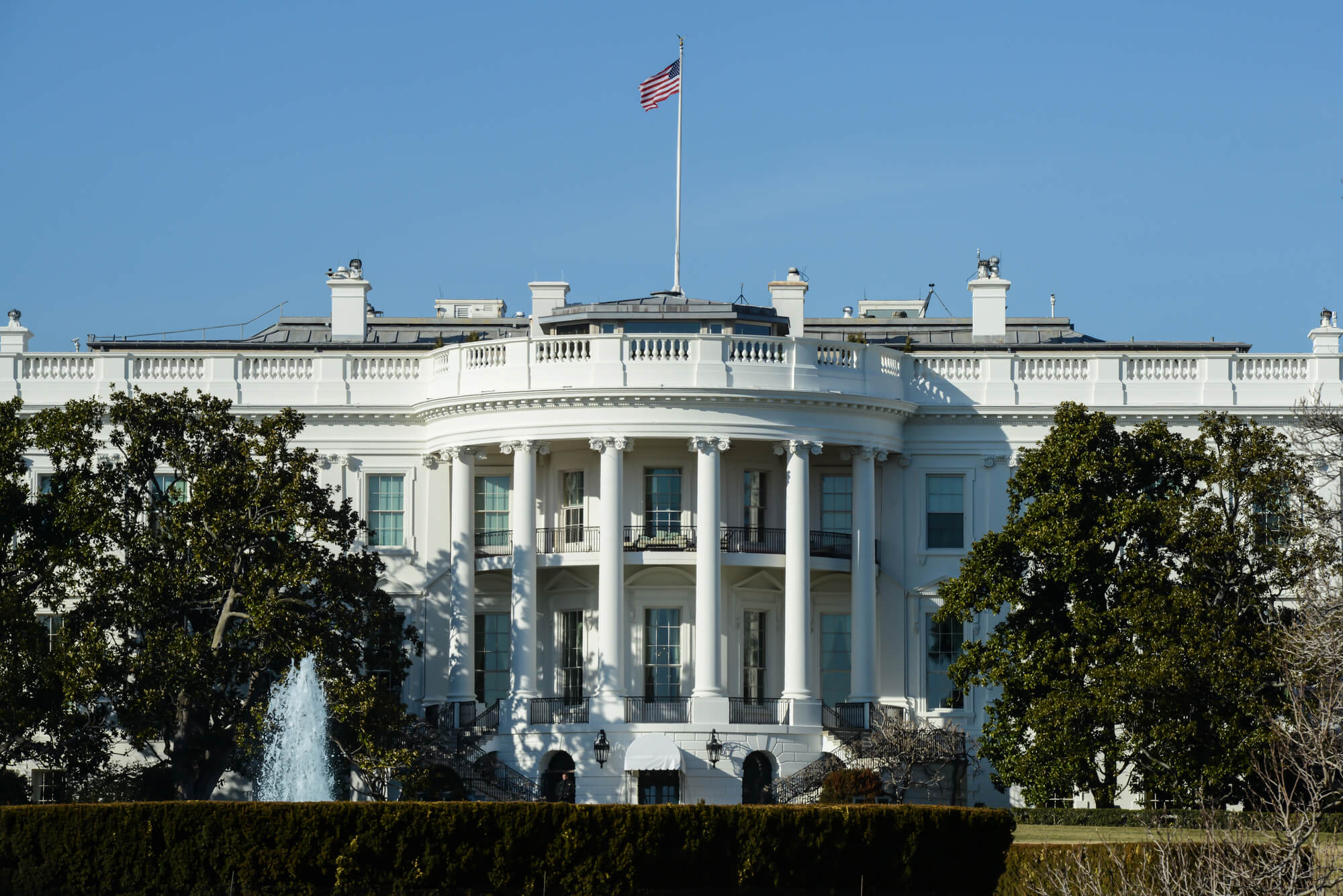
The White House is organizing a mediation meeting on February 2 between representatives of the crypto industry and the banking sector. Led by Director Patrick Witt and Crypto Czar David Sacks, the Crypto Council aims to revive the stalled CLARITY Act negotiations.
Participants are expected to include Coinbase, the Blockchain Association, and banking sector representatives. Coinbase CEO Brian Armstrong withdrew support for the bill on January 14. This came one day before the planned markup in the Senate Banking Committee. As a result, the committee postponed the vote indefinitely. Armstrong stated his position in no uncertain terms: a bad law is worse than no law at all.
Stablecoin yields as the central point of contention
The conflict revolves around whether stablecoin issuers should be allowed to pay interest on idle balances. A 278-page Senate draft from January 12 prohibits such interest payments on dormant holdings. At the same time, it permits rewards for transaction-based activity. Coinbase sees this as an existential threat to its business model. In Q3 2025 alone, the company generated $355 million in stablecoin revenues. S&P Global forecasts full-year 2025 USDC-related revenues of $1.4 billion, a 49 percent increase year over year.
On the other side stand 53 banking groups, including the American Bankers Association. They are lobbying for the ban, pointing to $6.6 trillion in bank deposits that could be threatened by yield-bearing stablecoins. Banks argue that interest-bearing stablecoins effectively function as deposits outside the insured banking system. Coinbase, by contrast, views the regulation as protectionism favoring established financial institutions.
"Without clear statutory language extending this prohibition in the market structure legislation currently being advanced, trillions will be pulled from lending to municipal institutions." - American Bankers Association
Tensions between Coinbase and the White House
Armstrong's withdrawal triggered considerable frustration behind the scenes. An anonymous source within the Trump administration called the move a "rug pull against the White House." After all, the CLARITY Act has the president's backing.
In response, the Coinbase CEO pushed back against reports of a rift with the White House. He described the conversations as "super constructive." Additionally, the White House had asked Coinbase to independently explore a compromise with the banks. Whether these diplomatic words reflect the actual situation remains unclear. Neither side commented officially on the record.
Meanwhile, the crypto industry itself is divided. Kraken Co-CEO Arjun Sethi continues to support the bill and warned of the consequences if it fails.




The CLARITY Act and its political path
The "Digital Asset Market Clarity Act of 2025" aims to create the first comprehensive regulatory framework for digital assets in the United States. Its central element is the jurisdictional split between the CFTC and the SEC. Under this framework, the CFTC receives exclusive jurisdiction over spot markets for digital commodities. Meanwhile, the SEC retains oversight of investment contract assets. This arrangement is meant to replace the existing practice of "regulation by enforcement" with clear statutory standards.
In the House, the bill already passed in July 2025 with a strong majority of 294 to 134 votes. Notably, 78 Democrats voted in favor, a sign of bipartisan support. Senator Tim Scott, Chairman of the Senate Banking Committee, subsequently released several drafts. The already enacted GENIUS Act does regulate stablecoins but covers only a small portion of the crypto market. Patrick Witt therefore designated the CLARITY Act as the top priority of the White House Crypto Council.
Still, the ethics debate surrounding the Trump family's crypto investments adds further strain to the legislative process. Democrats are demanding conflict-of-interest clauses in the bill. Tim Scott rejects such additions.
Declining odds ahead of the mediation meeting
Prospects for the CLARITY Act have deteriorated significantly. On Polymarket, betting odds for passage fell from 80 to 50 percent. Ron Hammond, Head of Policy at Wintermute, puts the probability at just 40 percent. TD Cowen analyst Jaret Seiberg warned that Coinbase's withdrawal could derail the entire legislative process this session.
Tim Scott remains confident nonetheless. Colleagues from both parties continue to work "in good faith" on a solution. His goal remains passage before the midterm elections in November 2026. Yet Patrick Witt's original target of achieving a breakthrough by the end of Q1 2026 is now considered unrealistic.
The stablecoin market now totals $300 billion. USDC alone reached a market capitalization of $74 billion in Q3 2025. For Coinbase, with an average of $15 billion in USDC holdings on the platform, billions in revenue are at stake. For banks, it is equally about protecting their traditional deposit business. The February 2 meeting will show whether the White House can bridge these positions.