Close Menu
Crypto Valley Journal
    Facebook X (Twitter) Instagram
    Crypto Valley Journal
    • Hot Topics
      • News
      • Minds
    • Focus
      • Background
      • Blockchain
      • Legal & Compliance
      • Non-Fungible Token (NFTs)
    • Investing
      • Markets
      • Financial Products
      • Decentralized Finance (DeFi)
      • Exchange overview
    • Education
      • Basics
      • Glossary
      • Politicians on crypto
    • Statistics
      • Bitcoin-ETF-Flows
      • Ethereum-ETF-Flows
      • Crypto market data
      • On-chain data
    • Academy
      • Overview
      • Part 1: Blockchain
      • Part 2: Money
      • Part 3: Bitcoin
      • Part 4: Cryptocurrencies
      • Part 5: Decentralized Finance
      • Part 6: Investing
    • English
      • Deutsch
    Crypto Valley Journal
    You are at:Home»Glossary»Custodial Wallet
    Custodial Wallet

    Custodial Wallet

    By Redaktion cvj.ch on 10. December 2025 Glossary

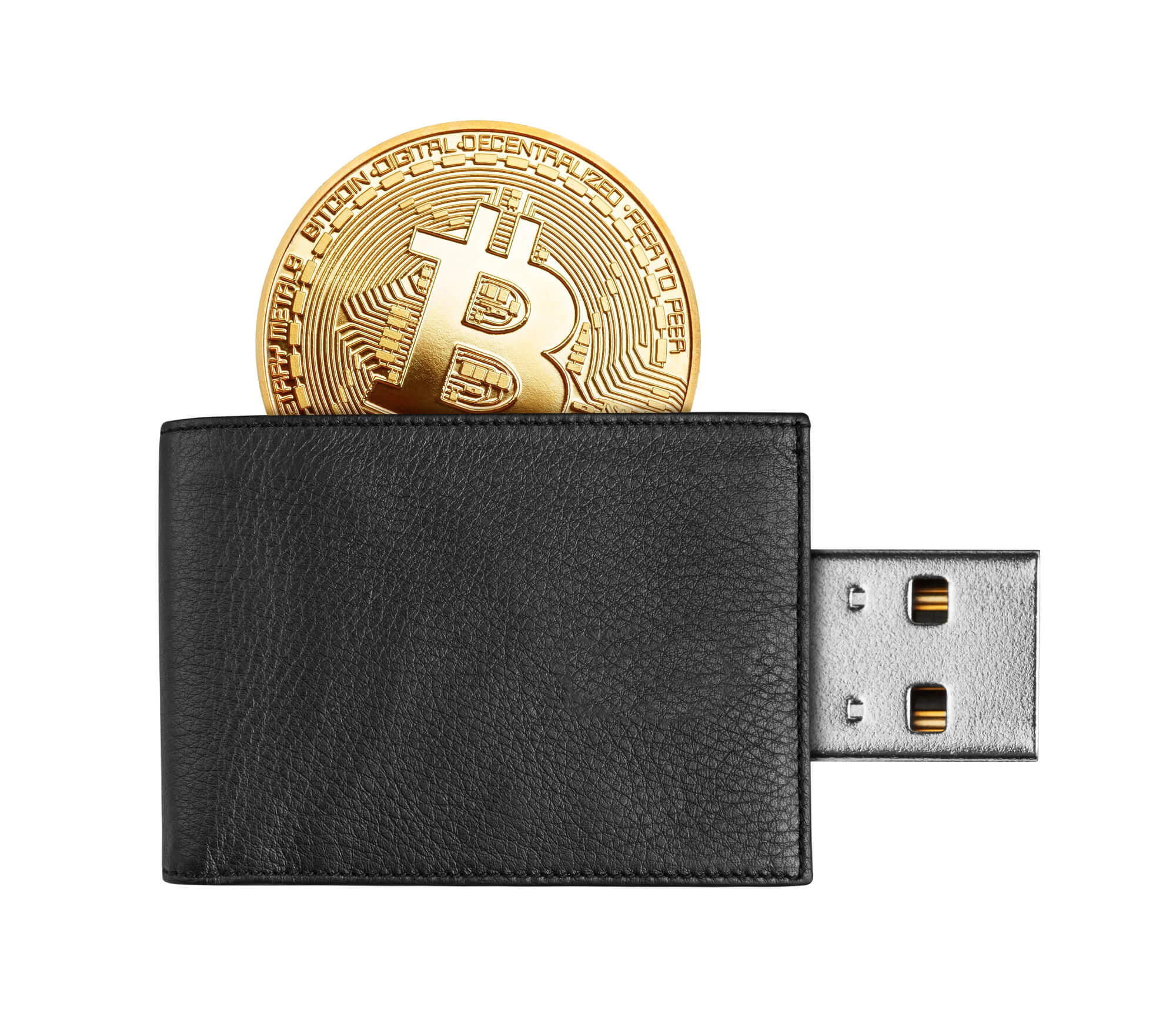
    A custodial wallet is a crypto wallet in which the private key is not managed by the user but by a service provider such as an exchange, a payment company, or a custody institution.

    In contrast to non-custodial wallets, a custodial wallet delegates the storage and safeguarding of private keys to a third party. Access is provided through a user account, similar to online banking. The provider manages deposits, withdrawals, and security mechanisms, while users do not need to store keys or seed phrases themselves.

    Subscribe to our newsletter

    The best articles of the week, directly delivered into your mailbox.

    Functionality and structure

    Custodial wallets abstract the technical management of crypto assets. The provider stores private keys in centralised or distributed security systems (e.g., HSM modules, multi-sig, MPC). Users authenticate via passwords, 2FA, or KYC account data. Transactions are signed and processed in the background by the service provider. This removes the burden of key management for users, but introduces dependency: ultimately, the operator controls when and how assets can be transferred.

    Custodial wallets are standard for centralised exchanges, trading platforms, and institutional custodians. They enable simple account onboarding, recovery processes, and customer support. For beginners, they offer a low barrier to entry because no seed phrase needs to be secured or technically maintained. In institutional environments, they are often required, as regulatory frameworks (AML, KYC, custody law) demand central responsibility and auditability.


    Ray Dalio’s Bridgewater Associates Minds

    Star investor Ray Dalio considers Bitcoin inferior to gold

    Analysis by Bitget Research on Bitcoin quantum computing risks, ECDSA exposure, NIST post-quantum standards, and BIP-360 migration paths. Background

    Bitcoin quantum computing: What recent developments mean for network security

    JPMorgan warns: Recurring DeFi exploits and stagnant ETH-denominated TVL curb institutional engagement in the DeFi sector. DeFi

    JPMorgan: DeFi hacks and TVL losses weigh on institutional investors

    Basics

    Unit bias in crypto: Why cheap coins mislead investors

    Ray Dalio’s Bridgewater Associates Minds

    Star investor Ray Dalio considers Bitcoin inferior to gold

    Analysis by Bitget Research on Bitcoin quantum computing risks, ECDSA exposure, NIST post-quantum standards, and BIP-360 migration paths. Background

    Bitcoin quantum computing: What recent developments mean for network security

    Risks and limitations

    The main drawback: users do not have possession of their private keys ("Not your keys, not your coins"). Custodial wallets rely on the trustworthiness and operational stability of the provider. Risks arise from:

    Loss or misuse of keys by the operator, hacks targeting centralised infrastructure, account freezes, liquidity issues, or insolvencies. In such cases, access to funds may be blocked, even if the user is the legal owner.


    Analysis by Bitget Research on Bitcoin quantum computing risks, ECDSA exposure, NIST post-quantum standards, and BIP-360 migration paths. Background
    17. April 2026

    Bitcoin quantum computing: What recent developments mean for network security

    Analysis by Bitget Research on Bitcoin quantum computing risks, ECDSA exposure, NIST post-quantum standards, and BIP-360 migration paths.

    XRPL validator analyzes quantum risk: only 0.03% of XRP supply is exposed, compared to up to 35% for Bitcoin. Google sets 2029 deadline. Background
    14. April 2026

    Quantum risk: Is XRP more secure than Bitcoin?

    XRPL validator analyzes quantum risk: only 0.03% of XRP supply is exposed, compared to up to 35% for Bitcoin. Google sets 2029 deadline.

    13. April 2026

    Power Shift in Crypto Exchanges: Retail Overtakes Institutional

    Entdecken Sie die Vorteile von Bitcoin im Portfolio als Werkzeug zur Renditesteigerung und zum Schutz vor Inflation.
    9. April 2026

    Bitcoin’s role within an institutional portfolio

    AI agent security risks grow as autonomous systems shift from analysis to execution in crypto markets, a Bitget and SlowMist report warns.
    8. April 2026

    New research highlights security risks as AI agents shift to execution

    6. April 2026

    Crypto Myths 2026: Four Costly Mistakes Investors Make

    $500 million in minutes: Pump.fun writes ICO history
    3. April 2026

    Have launchpads like Pump.fun destroyed the altcoin market?

    2. April 2026

    Unit bias in crypto: Why cheap coins mislead investors

    Popular Posts
    About Crypto Valley Journal
    About Crypto Valley Journal

    On the pulse of the movement

    • Academy
    • Contact
    • Advertising
    • About us
    • Partner
    • Imprint
    • Privacy
    • Disclaimer
    Search

    Type above and press Enter to search. Press Esc to cancel.