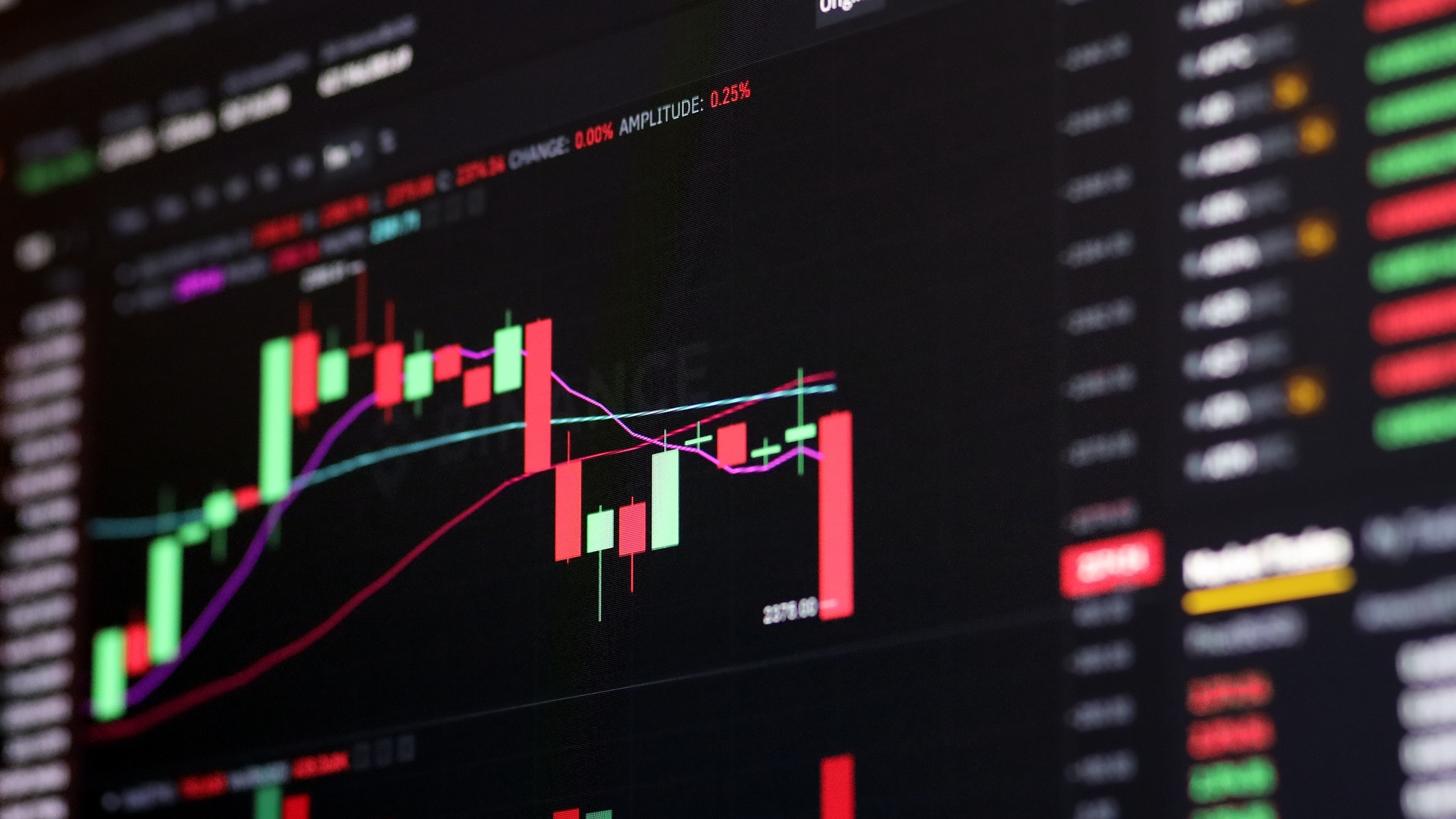
Margin refers in financial and crypto trading to the use of borrowed capital in order to enter larger positions than one’s own balance would normally allow. The trader provides collateral - known as margin - thereby increasing overall market exposure.
In margin trading, the user borrows capital from an exchange or broker. Profits and losses are calculated based on the full position size, not just the trader’s own capital. This significantly increases potential returns, but also substantially amplifies risk.
How margin trading works
To trade on margin, the trader deposits a portion of the position’s value as initial margin. The remaining amount is borrowed. As long as the market moves in the intended direction, the trader can benefit from disproportionately higher gains. However, if the value of the position falls below a defined threshold, the platform will request additional capital (margin call) or automatically close the position (liquidation) to limit further losses.
Margin is closely related to leverage, but the two are not identical. Margin represents the collateral, while leverage describes the ratio between the trader’s own capital and the total position size. For example, a margin of 10% corresponds to 10x leverage. The lower the margin requirement, the higher the risk of rapid liquidation.




Use cases
Margin trading is commonly used in spot margin trading, futures, and options strategies. In the crypto market, traders use margin to speculate on short-term price movements or to hedge existing positions. Due to the high volatility of digital assets, margin trading in crypto markets is particularly risky.
In addition to price risk, margin trading involves extra costs, such as interest on borrowed capital or funding fees. Adverse market movements can quickly result in the total loss of the capital used. The risk of liquidation is especially high in illiquid or highly volatile markets.