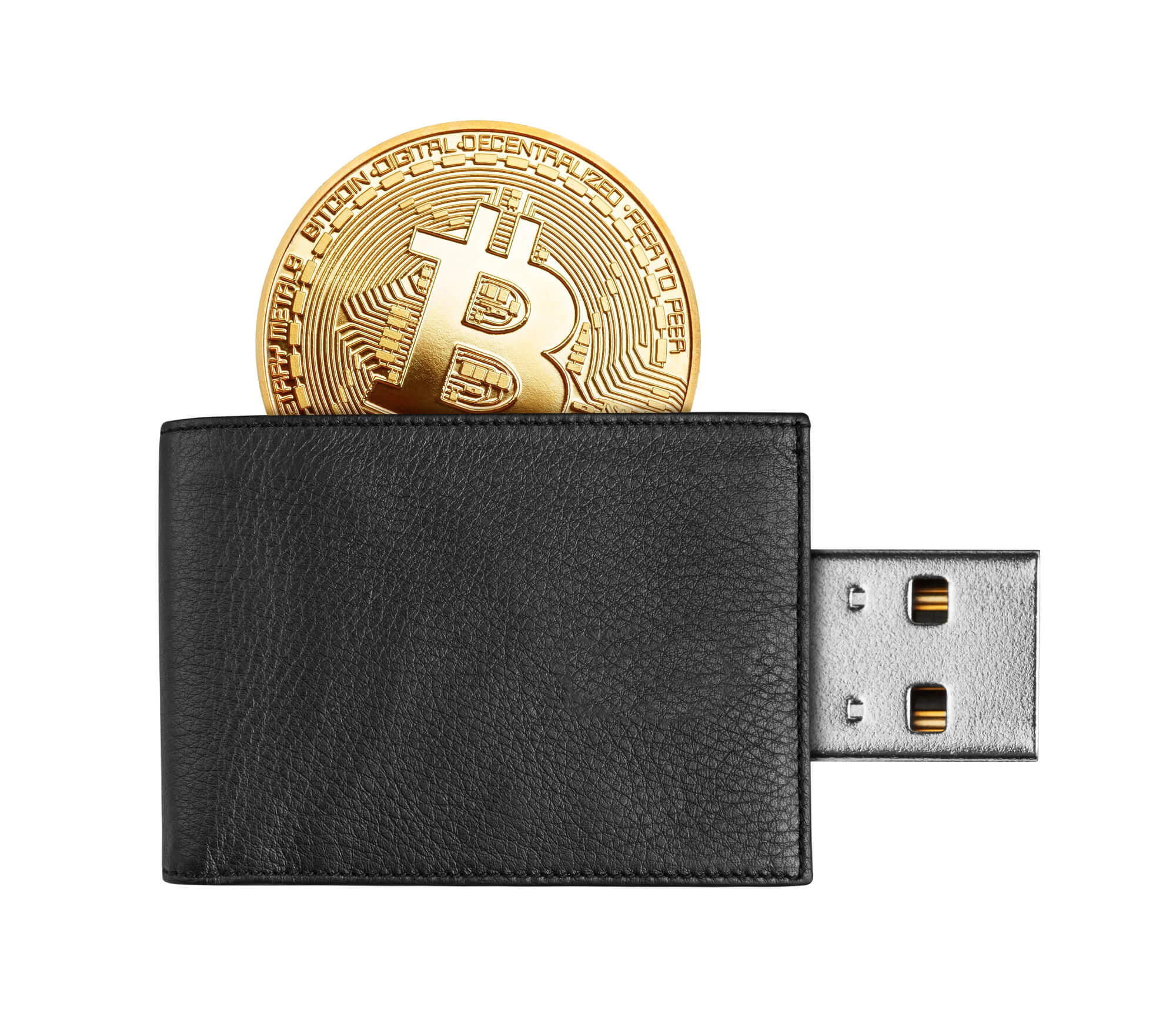
A smart wallet is a digital wallet whose logic is controlled in whole or in part by smart contracts. Unlike traditional wallets, it is not based solely on a single private key, but enables advanced features such as automation, access controls, and security mechanisms.
Smart wallets extend the classic wallet concept with programmable rules. They enable more complex interactions with blockchain applications and are considered an important building block for more user-friendly and secure crypto infrastructure.
What defines a smart wallet?
At the core of a smart wallet is a smart contract that defines how and under what conditions transactions are executed. This makes it possible to implement rules that go beyond simple signatures. Examples include time-delayed transactions, daily spending limits, or requiring approval from multiple parties for a transfer. Unlike traditional wallets, where the loss of a private key usually results in the complete loss of funds, smart wallets can include recovery or protection mechanisms.
Smart wallets enable features such as multi-signature logic, social recovery, automated interactions with DeFi protocols, and gas optimization. Some models even allow transaction fees to be paid in tokens other than the blockchain’s native currency or to be covered by sponsors. This flexibility makes smart wallets particularly attractive for users who regularly interact with decentralized applications.
Importance for Web3 and DeFi
In the Web3 context, smart wallets are considered a key technology for mass adoption. They lower technical barriers, improve security, and enable complex user experiences that resemble traditional applications. Many new DeFi and NFT applications increasingly rely on smart wallet architectures rather than simple externally owned accounts (EOAs).
Despite their advantages, smart wallets are technically more complex. Errors in smart contracts can pose security risks, and updates are often more difficult than with traditional wallets. In addition, security depends heavily on code quality and governance structures. Smart wallets represent the next stage in the evolution of digital wallets. Through programmable logic, they enable greater security, automation, and user-friendliness, but require a higher level of technical care and understanding.