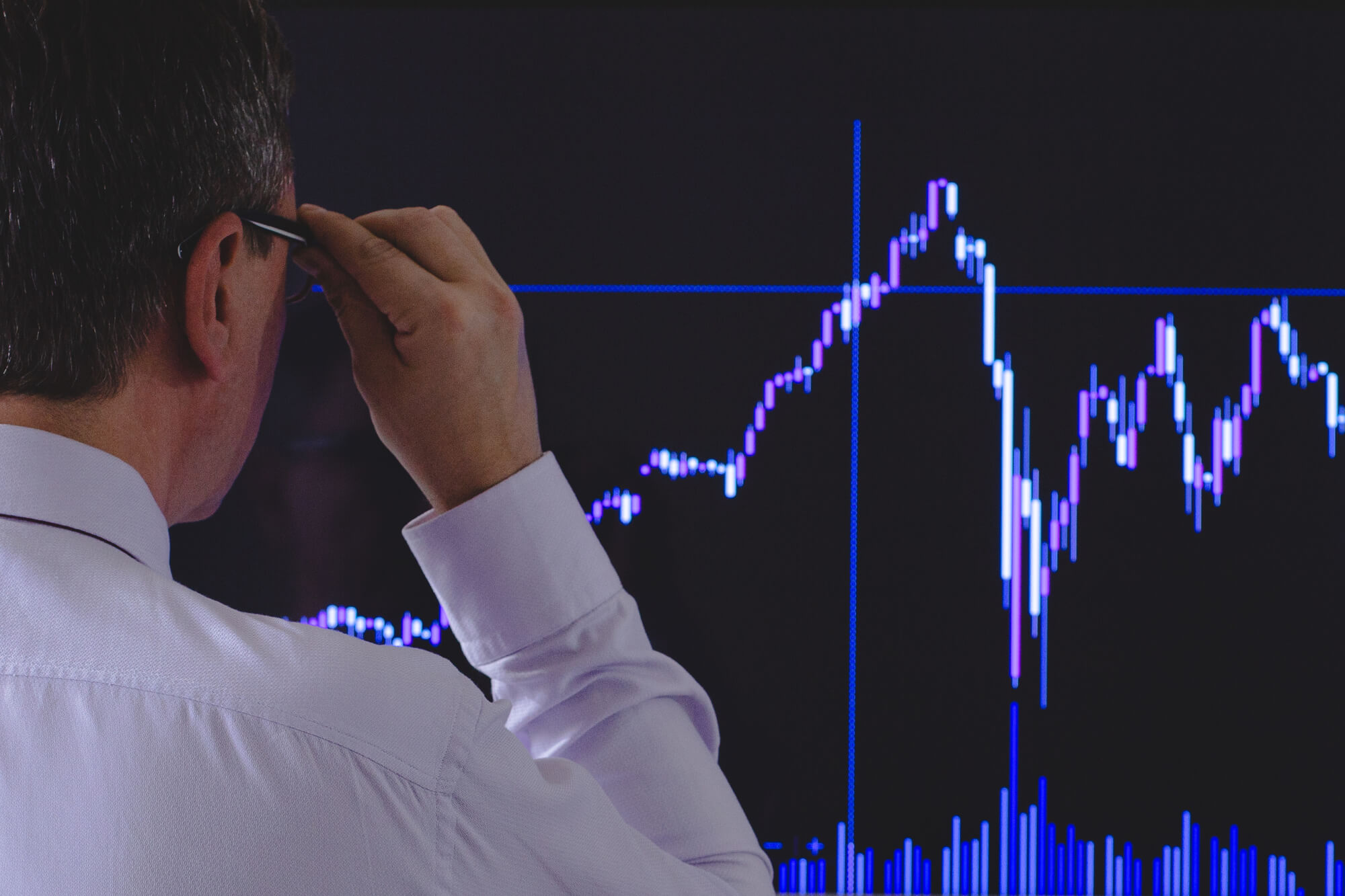
The Volatility Index is a central instrument for measuring market fluctuations and uncertainty. It is primarily used by professional investors to assess risk and stress levels in financial markets.
Especially during periods of heightened nervousness, the importance of volatility indices increases significantly. A Volatility Index measures the expected range of price fluctuations in a market. Rising values indicate increasing uncertainty, while falling values point to calm market conditions.
What is a volatility index?
A Volatility Index is an index that reflects the expected volatility of a specific market over a defined period. The most well-known example is the VIX, which measures the expected fluctuations of the US equity market based on options on the S&P 500. The calculation is not based on historical price movements, but on implied volatility derived from option prices.
The calculation of a Volatility Index is based on option prices across different maturities and strike prices. Rising option prices reflect increased demand for hedging, which in turn indicates growing uncertainty in the market. The index is usually expressed as a percentage and represents the expected annualized range of fluctuations.
Relevance for investors
A high Volatility Index signals elevated risk aversion and uncertainty. In such phases, markets are often characterized by strong price movements. Low volatility levels point to stable market conditions, but can also indicate complacency and an increased risk of corrections. Many institutional investors use volatility indices for risk management, portfolio hedging, and market analysis. Volatility is often treated as an independent asset class.
Volatility indices are also gaining importance in the crypto market. Since cryptocurrencies are structurally more volatile than traditional assets, such indicators help classify different market phases more effectively. Crypto volatility indices are often based on options data for Bitcoin or Ethereum. A Volatility Index reflects expectations, not guarantees. Extreme events can occur at any time, even when implied volatility is low. In addition, the index often reacts strongly to short-term market movements.