Close Menu
Crypto Valley Journal
    Facebook X (Twitter) Instagram
    Crypto Valley Journal
    • Hot Topics
      • News
      • Minds
    • Focus
      • Background
      • Blockchain
      • Legal & Compliance
      • Non-Fungible Token (NFTs)
    • Investing
      • Markets
      • Financial Products
      • Decentralized Finance (DeFi)
      • Exchange overview
    • Education
      • Basics
      • Glossary
      • Politicians on crypto
    • Statistics
      • Bitcoin-ETF-Flows
      • Ethereum-ETF-Flows
      • Crypto market data
      • On-chain data
    • Academy
      • Overview
      • Part 1: Blockchain
      • Part 2: Money
      • Part 3: Bitcoin
      • Part 4: Cryptocurrencies
      • Part 5: Decentralized Finance
      • Part 6: Investing
    • English
      • Deutsch
    Crypto Valley Journal
    You are at:Home»Glossary»Wash Trading
    What is washtrading?

    Wash Trading

    By Redaktion cvj.ch on 3. April 2020 Glossary

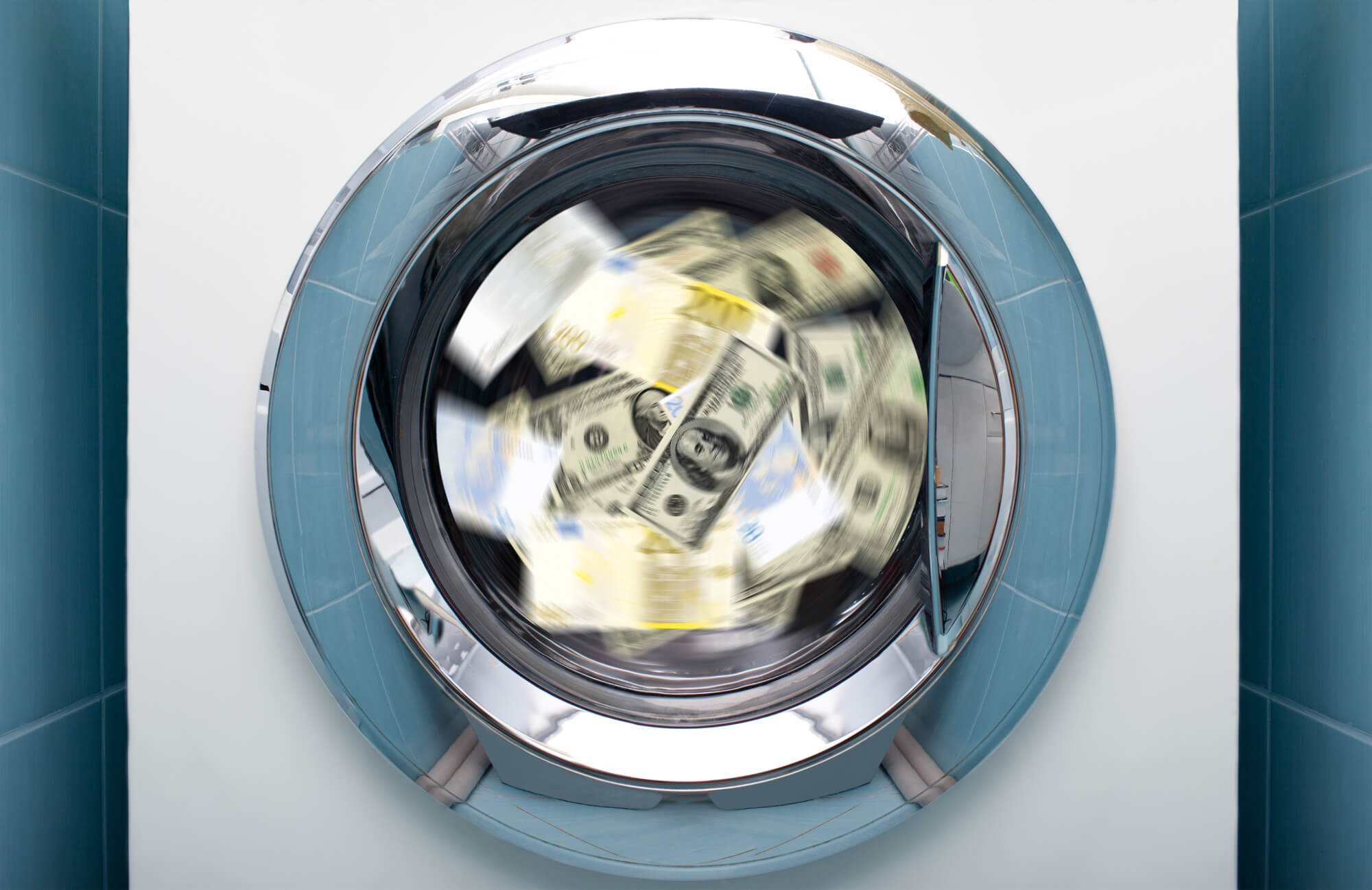
    Wash trading refers to a form of market manipulation in which an actor buys and sells the same asset simultaneously to artificially inflate trading volume and activity. The goal is to mislead the market about real demand and create a distorted picture of liquidity or price development.

    In wash trading, assets appear to change ownership on paper but not economically. The transactions are coordinated or executed by the same party. This creates the impression of high demand or liquidity, even though no real trading takes place. In the crypto market, wash trading is frequently used to make tokens appear more attractive or to manipulate rankings.

    Subscribe to our newsletter

    The best articles of the week, directly delivered into your mailbox.

    How it works and where it is used

    Wash trading relies on a trader or a connected group repeatedly moving the same asset between their own accounts. Although it looks like legitimate trading from the outside, no economic position is actually altered. The practice has been banned in regulated markets such as the United States since the 1930s because it distorts market prices and misleads investors.

    In the crypto sector, wash trading is widespread because many exchanges are less strictly regulated. Industry analyses – including reports from Chainalysis and Forbes – show that on smaller exchanges, more than 50% of reported trading volumes may stem from wash trading. NFT marketplaces have also been affected: in 2022, the platform LooksRare made headlines when users generated tens of millions in volume through wash trades to farm reward tokens and make prices appear artificially high.

    Ray Dalio’s Bridgewater Associates Minds

    Star investor Ray Dalio considers Bitcoin inferior to gold

    Analysis by Bitget Research on Bitcoin quantum computing risks, ECDSA exposure, NIST post-quantum standards, and BIP-360 migration paths. Background

    Bitcoin quantum computing: What recent developments mean for network security

    JPMorgan warns: Recurring DeFi exploits and stagnant ETH-denominated TVL curb institutional engagement in the DeFi sector. DeFi

    JPMorgan: DeFi hacks and TVL losses weigh on institutional investors

    Basics

    Unit bias in crypto: Why cheap coins mislead investors

    Ray Dalio’s Bridgewater Associates Minds

    Star investor Ray Dalio considers Bitcoin inferior to gold

    Analysis by Bitget Research on Bitcoin quantum computing risks, ECDSA exposure, NIST post-quantum standards, and BIP-360 migration paths. Background

    Bitcoin quantum computing: What recent developments mean for network security

    Motivation and impact

    Wash trading is often used to make an asset appear more popular than it truly is. Higher “fake volume” can influence token rankings, price charts, exchange listings, or social media narratives. Projects use these methods to fake liquidity, attract investors, or manipulate market value.

    The consequences are significant: investors make decisions based on distorted data. Liquidity appears higher than it actually is, and prices can be driven to unnatural heights before collapsing abruptly. Regulators such as the SEC, CFTC, and European supervisory authorities are increasingly cracking down on wash trading – especially in connection with NFTs, meme coins, or smaller exchanges lacking proper oversight.

    Analysis by Bitget Research on Bitcoin quantum computing risks, ECDSA exposure, NIST post-quantum standards, and BIP-360 migration paths. Background
    17. April 2026

    Bitcoin quantum computing: What recent developments mean for network security

    Analysis by Bitget Research on Bitcoin quantum computing risks, ECDSA exposure, NIST post-quantum standards, and BIP-360 migration paths.

    XRPL validator analyzes quantum risk: only 0.03% of XRP supply is exposed, compared to up to 35% for Bitcoin. Google sets 2029 deadline. Background
    14. April 2026

    Quantum risk: Is XRP more secure than Bitcoin?

    XRPL validator analyzes quantum risk: only 0.03% of XRP supply is exposed, compared to up to 35% for Bitcoin. Google sets 2029 deadline.

    13. April 2026

    Power Shift in Crypto Exchanges: Retail Overtakes Institutional

    Entdecken Sie die Vorteile von Bitcoin im Portfolio als Werkzeug zur Renditesteigerung und zum Schutz vor Inflation.
    9. April 2026

    Bitcoin’s role within an institutional portfolio

    AI agent security risks grow as autonomous systems shift from analysis to execution in crypto markets, a Bitget and SlowMist report warns.
    8. April 2026

    New research highlights security risks as AI agents shift to execution

    6. April 2026

    Crypto Myths 2026: Four Costly Mistakes Investors Make

    $500 million in minutes: Pump.fun writes ICO history
    3. April 2026

    Have launchpads like Pump.fun destroyed the altcoin market?

    2. April 2026

    Unit bias in crypto: Why cheap coins mislead investors

    Popular Posts
    About Crypto Valley Journal
    About Crypto Valley Journal

    On the pulse of the movement

    • Academy
    • Contact
    • Advertising
    • About us
    • Partner
    • Imprint
    • Privacy
    • Disclaimer
    Search

    Type above and press Enter to search. Press Esc to cancel.