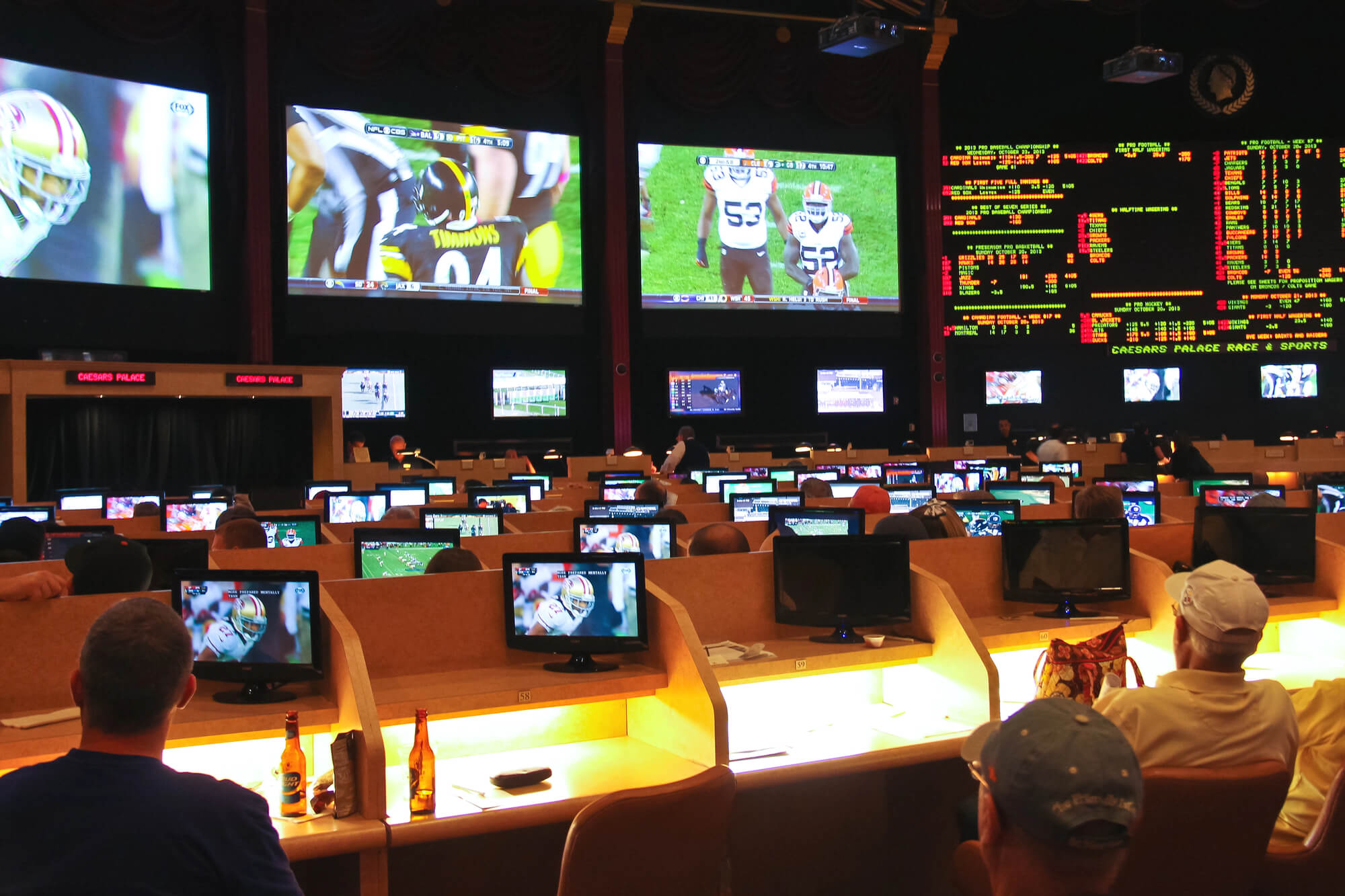
Several US gaming associations and labor unions have urged the Senate by letter to ban sports prediction markets in the Clarity Act. They want senators to expand the central market structure bill with a provision that prohibits such bets.
Prediction market platforms are trading venues where users bet on the outcome of events. They buy and sell contracts that pay out when a result occurs, whether in elections, sporting events, or economic data. Kalshi and Polymarket dominate the US market. Kalshi is registered with the derivatives regulator CFTC. Moreover, it uses this authorization as a shield against state-level enforcement. Through this federal framework, the platform therefore offers its contracts nationwide. In addition, it does not concern itself with the gambling licenses of individual states. The providers first gained broad recognition during the 2024 US elections. Furthermore, their volume has grown rapidly since then. In May 2026, Kalshi recorded turnover of around USD 16.8 billion, up from USD 14.8 billion in April. Polymarket, meanwhile, reached a volume of USD 7.08 billion, down from USD 9.01 billion in the previous month.
Clarity Act as a vehicle: What the letter demands
The American Gaming Association and the Indian Gaming Association stand behind the letter. In addition, the unions AFL-CIO Hotel and Gaming Trades Council and UNITE HERE join them. Together they demand a clause in the Digital Asset Market Clarity Act that bans sports and casino-style prediction bets. Moreover, the associations describe the platforms as the driver of the largest gambling expansion in recent US history. They say it happened within 18 months, without voter approval or legislative authorization. Since the start of 2025 alone, the states have therefore lost around USD 1 billion in tax revenue, the AGA calculates. With the 2026 election year and the upcoming midterms, the industry expects trading volume to keep rising.
The timing is no coincidence, because the Clarity Act stands at a critical threshold. The Senate Banking Committee advanced the bill on May 14, 2026, by a vote of 15 to 9. The next hurdle is the vote in the full Senate, where the bill needs 60 yes votes. Consequently, it requires a number of Democratic senators. The unions traditionally align with the Democratic side. Their lobbying therefore targets exactly this audience. With the letter, they try to anchor the prediction market provision in the legislative text before the final vote.
"Congress should use the crypto legislation to reaffirm a simple principle: sports betting does not fall within the jurisdiction of the CFTC and cannot be offered through prediction market platforms." - Joint letter from the US gaming associations to the Senate
The core argument of the gaming industry
At the center of the criticism stands the question of jurisdiction. The associations argue that the CFTC was never created to regulate gambling or sports betting. In their view, it lacks both the expertise and the infrastructure for this. Furthermore, the platforms circumvent state and tribal law, weaken consumer protection, and endanger younger users. In doing so, they market gambling products as legitimate financial investments. As a result, they disguise the true character of these products. The platforms thereby undermine a system of local control that creates jobs, generates tax revenue, and finances community functions.
Behind this stands a tangible economic conflict. The 2018 PASPA ruling legalized sports betting at the state level, although under substantial taxes and licensing conditions. Prediction markets, however, bypass this regime entirely by invoking the nationwide CFTC framework. From the industry's perspective, they thus engage in regulatory arbitrage. Political backing also comes from a parallel initiative. In March 2026, Senators Adam Schiff and John Curtis introduced the "Prediction Markets Are Gambling Act." Furthermore, this bill would exclude sports and casino contracts from listing and trading on registered platforms.




CFTC's proposed rule permits sports contracts
The demand of the associations, however, meets an agency that works in the opposite direction. On June 10, 2026, the CFTC under Chairman Michael Selig published a proposed rule that permits most sports-related contracts. These include moneylines, point spreads, player props, and final results. In addition, they cover team and individual statistics as well as seasonal performance contracts. By contrast, the agency wants to ban casino-style contracts, injury-related bets, and referee decisions. It also targets microbetting on individual plays, altercation bets, and contracts on competitions below college level. A 45-day comment period opened in June. Final rules could therefore take effect around 105 days after publication. Overall, a dividing line emerges that captures the core of the gaming business and leaves out its peripheral areas.
In parallel, the agency defends its claim to jurisdiction in court. It first sued the states of Arizona, Connecticut, and Illinois on April 2, 2026, together with the Justice Department. The Commodity Exchange Act preempts their enforcement measures against prediction market platforms, the agency argues. Later came a lawsuit against Minnesota, the sixth within seven weeks. Meanwhile, further states such as Wisconsin and New Mexico pursue their own proceedings. A federal appeals court backed the regulator. In April 2026, it found that the CFTC's jurisdiction over sports-related event contracts is likely exclusive.
Sports prediction markets in the Clarity Act: 38 states against the CFTC
By contrast, the resistance on the state side is broadly positioned. In addition, a coalition of 38 states filed briefs in support of state gambling oversight. New York Attorney General Letitia James also sued Coinbase Financial Markets and Gemini Titan in April 2026. Nationwide, more than 20 lawsuits and cease-and-desist orders remain pending against prediction market platforms. Two legal regimes thus collide: the nationwide CFTC framework on one side, and the established state gambling law on the other.
For the Clarity Act, this conflict therefore tightens the already narrow math. Because the bill needs 60 votes, it hinges on Democratic senators. The gaming lobby directs its letter at exactly these senators. Yet the market itself shows how open the outcome is. Polymarket traders rate the passage of the Clarity Act by year-end at 68 percent. Meanwhile, prediction market traders assign a 64 percent probability that the Supreme Court will take up a case on sports-related event contracts by the end of 2026. The Senate and the courts will ultimately decide whether the gaming industry or the CFTC retains interpretive authority over sports prediction markets.