The European banking consortium Qivalis announced the admission of 25 additional members. As a result, the group now comprises 37 financial institutions from 15 European countries. Together, they intend to launch a MiCAR-compliant euro stablecoin.
The new arrivals include Allied Irish Banks (AIB), ABN AMRO, Intesa Sanpaolo, Erste Group, Rabobank, Nordea, Swedbank and Handelsbanken. In addition, Luxembourg's Spuerkeess has joined, along with the Greek lenders National Bank of Greece and Piraeus Bank. Furthermore, the Spanish institutions Banco Sabadell, Bankinter, Kutxabank and ABANCA have signed up. The token launch is planned for the second half of 2026, subject to approval by the Dutch central bank.
Structure and regulatory anchoring of the Euro stablecoin
Qivalis B.V. is based in Amsterdam. The company filed an application for an Electronic Money Institution licence with De Nederlandsche Bank (DNB). Therefore, it operates within the framework of the European Union's Markets in Crypto-Assets Regulation (MiCAR). The planned token will track the euro 1:1. At least 40 percent of the reserves sit in bank deposits. Moreover, the remainder goes into short-dated eurozone government bonds. Token holders gain a redemption option around the clock.
Fireblocks acts as the technology partner. The consortium and the provider confirmed the collaboration on 21 April 2026. Specifically, Fireblocks supplies the tokenisation infrastructure, treasury management, wallet architecture and the integration of AML, KYC and sanctions checks.
Experienced industry figures sit at the top. CEO Jan-Oliver Sell previously served as Managing Director at Coinbase Germany. In addition, he worked for 18 years in London's financial sector. CFO Floris Lugt led the digital assets business in wholesale banking at ING. Sir Howard Davies chairs the supervisory board. Furthermore, he formerly headed the UK financial regulator FSA and chaired the Royal Bank of Scotland.
A response to digital dollarisation
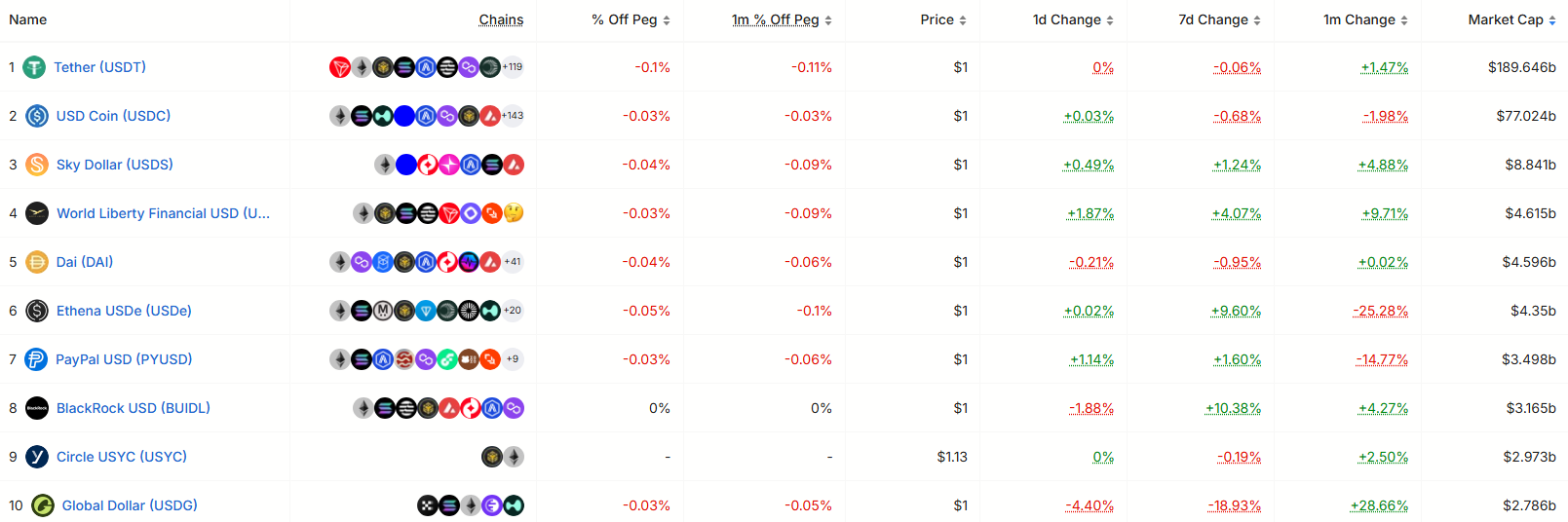
The global stablecoin market reached USD 305 billion in January 2026. Of this, roughly 99 percent sits in tokens denominated in US dollars. By contrast, euro-denominated stablecoins make up just 0.2 percent of the market. Their total volume amounts to around USD 649 million. As a result, this asymmetry has fuelled the debate in Brussels and Frankfurt about a structural dependence of European companies on US infrastructure.
The speed at which Europe's banking landscape rallies behind Qivalis stands out. For example, BBVA abandoned its own stablecoin project in February 2026 and instead joined the consortium. This shift marks a consolidation of the industry away from single initiatives and toward a multi-bank model. Banco Sabadell and Bankinter publicly disclosed their entry talks on 5 May 2026. Now both rank as formal members.
Sir Howard Davies called the infrastructure indispensable for Europe's competitiveness in the digital economy. Moreover, it preserves strategic autonomy as well as European principles on data protection and financial stability.



From nine founders to 37 members in eight months
Qivalis launched on 25 September 2025 with nine founding banks. The participants were Banca Sella, CaixaBank, Danske Bank, DekaBank, ING, KBC, Raiffeisen Bank International, SEB and UniCredit. BNP Paribas joined as the tenth member on 1 December 2025. In early February 2026, BBVA and DZ BANK followed. As a result, the founding circle grew to twelve institutions.
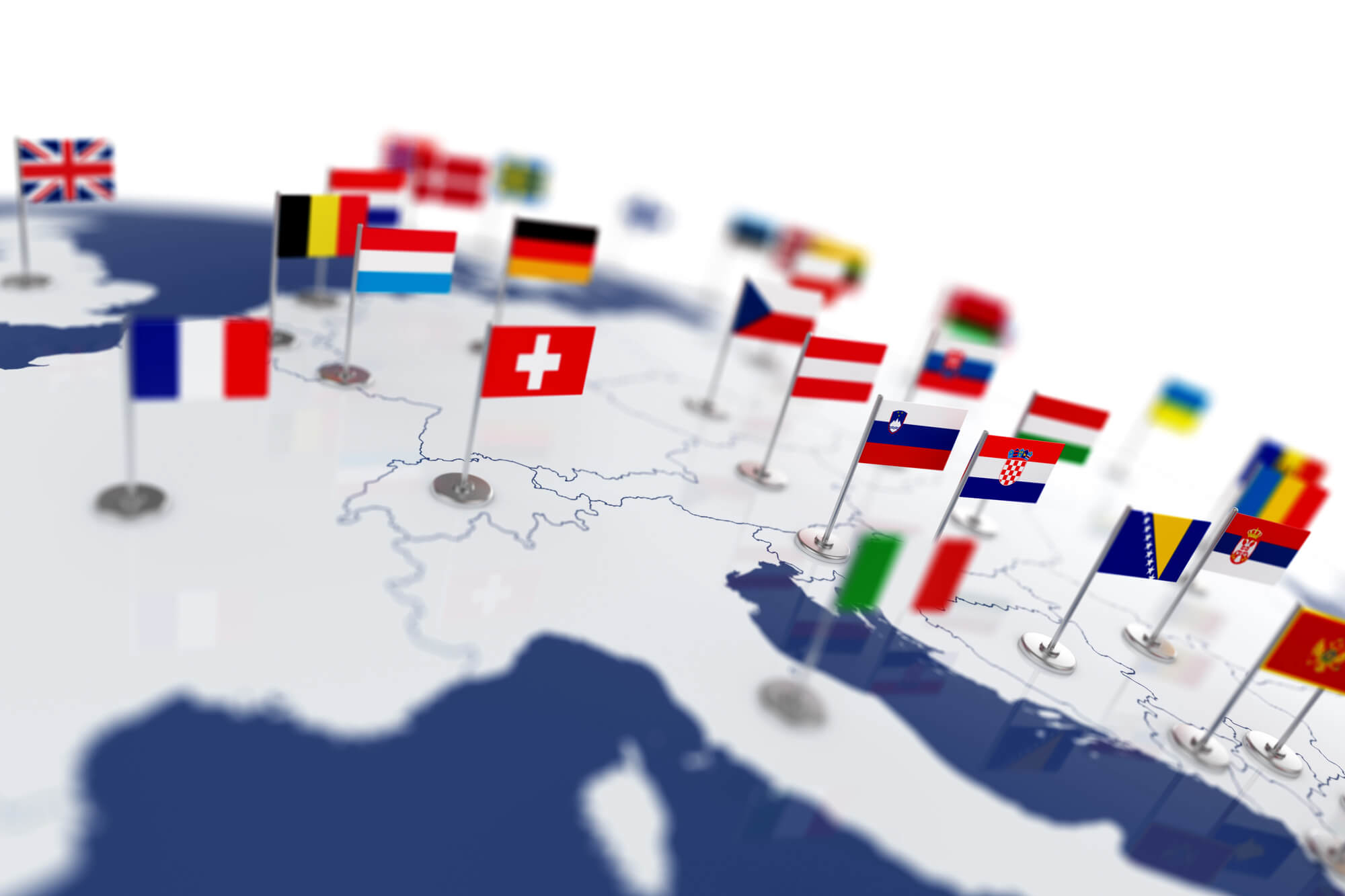
With the 25 new members, the consortium spreads far more broadly across the continent. Large commercial banks from Spain, Italy, France, Germany, the Netherlands, Belgium, Austria, Poland, Ireland, Greece, Luxembourg, Denmark, Sweden, Finland and Iceland take part. Swiss banks remain absent, because FINMA has no MiCA equivalent. Furthermore, Qivalis ties its licensing strategy consistently to the DNB. However, Swiss institutions could still distribute the token without holding formal membership.
At the same time, the European Central Bank is working on a digital euro with a planned launch around 2029. Qivalis positions itself not as a competitor to the future CBDC, but as a private-sector complement. The token targets use cases such as 24/7 treasury liquidity and atomic settlement of tokenised bonds and receivables. In addition, it covers cross-border payments without a correspondent banking network. Moreover, programmatic payments via smart contracts come into scope. By contrast, the existing euro stablecoins EURC from Circle and EURI from Banking Circle and Société Générale pursue a different approach. Furthermore, they operate without a comparable banking consortium. Until the launch in the second half of 2026, Qivalis remains tied to DNB approval.