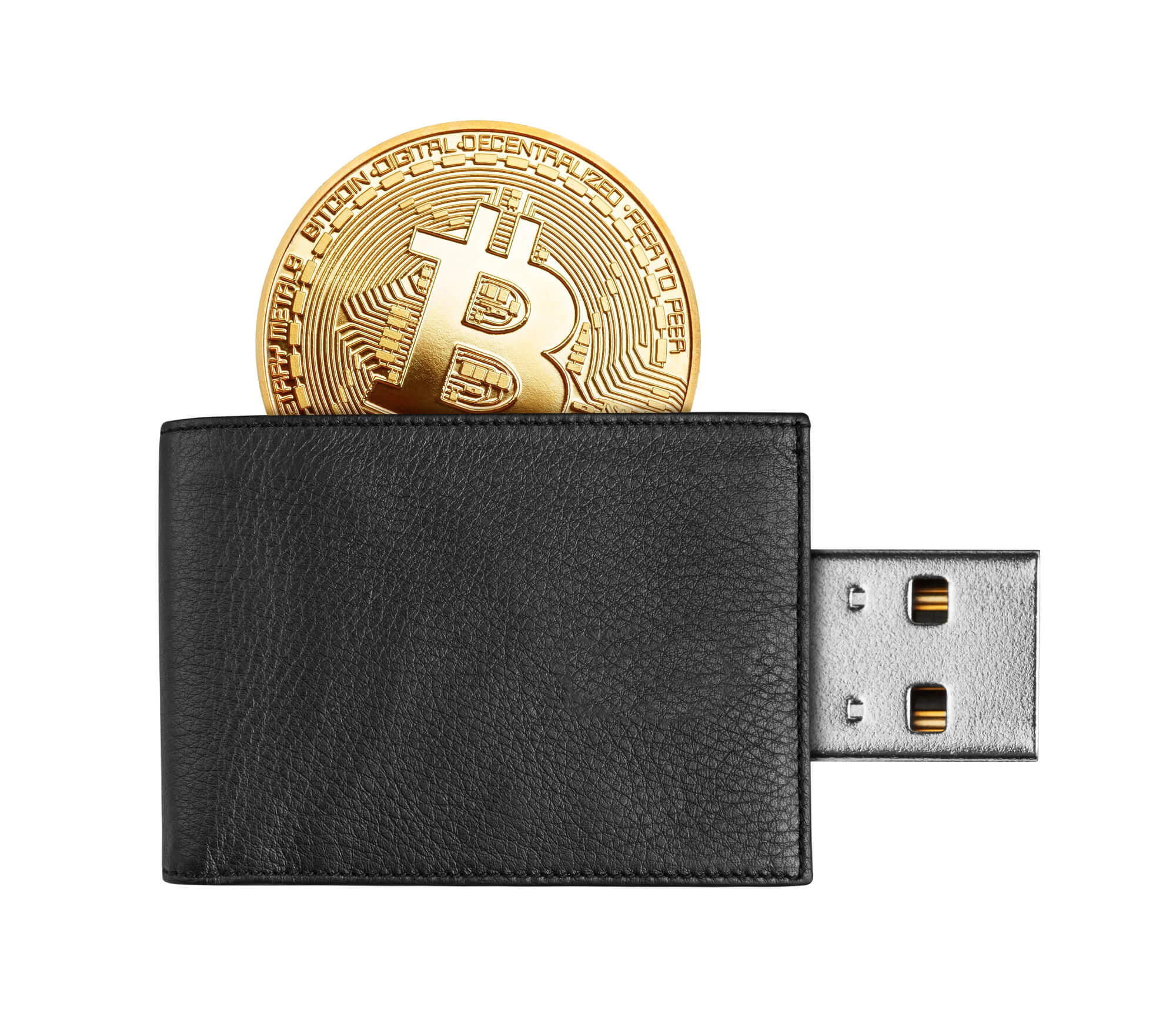
A custodial wallet is a crypto wallet in which the private key is not managed by the user but by a service provider such as an exchange, a payment company, or a custody institution.
In contrast to non-custodial wallets, a custodial wallet delegates the storage and safeguarding of private keys to a third party. Access is provided through a user account, similar to online banking. The provider manages deposits, withdrawals, and security mechanisms, while users do not need to store keys or seed phrases themselves.
Functionality and structure
Custodial wallets abstract the technical management of crypto assets. The provider stores private keys in centralised or distributed security systems (e.g., HSM modules, multi-sig, MPC). Users authenticate via passwords, 2FA, or KYC account data. Transactions are signed and processed in the background by the service provider. This removes the burden of key management for users, but introduces dependency: ultimately, the operator controls when and how assets can be transferred.
Custodial wallets are standard for centralised exchanges, trading platforms, and institutional custodians. They enable simple account onboarding, recovery processes, and customer support. For beginners, they offer a low barrier to entry because no seed phrase needs to be secured or technically maintained. In institutional environments, they are often required, as regulatory frameworks (AML, KYC, custody law) demand central responsibility and auditability.




Risks and limitations
The main drawback: users do not have possession of their private keys ("Not your keys, not your coins"). Custodial wallets rely on the trustworthiness and operational stability of the provider. Risks arise from:
Loss or misuse of keys by the operator, hacks targeting centralised infrastructure, account freezes, liquidity issues, or insolvencies. In such cases, access to funds may be blocked, even if the user is the legal owner.