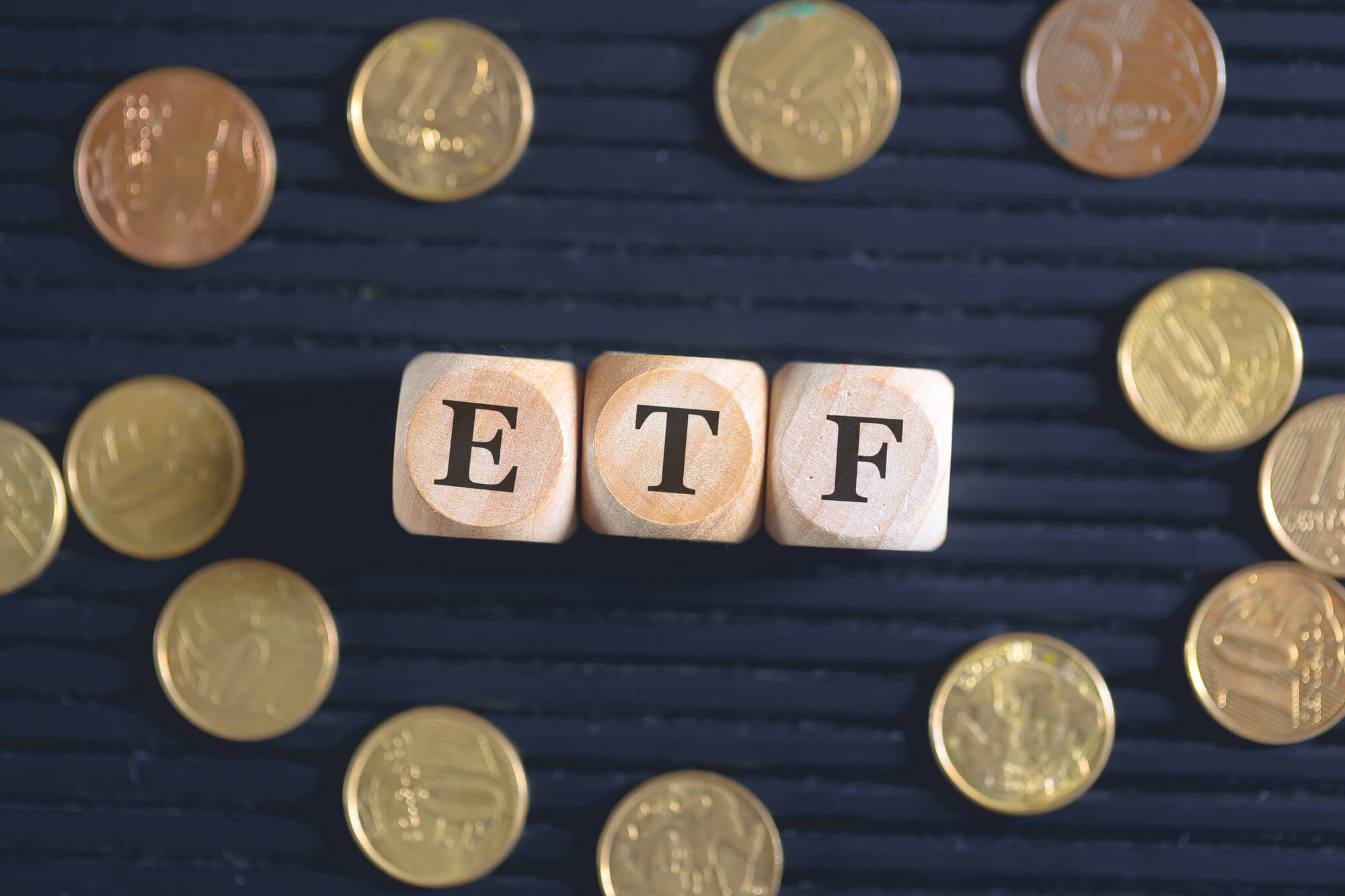
An ETF (Exchange Traded Fund) is an exchange-traded investment fund that tracks the performance of an underlying index, asset class, sector, or specific market. ETFs combine the advantages of investment funds with the flexibility of a stock market trading instrument.
ETFs are traded on exchanges like shares, have their own price performance based on a reference index, and offer investors a cost-efficient and transparent way to gain broad exposure to different asset classes.
Basic principle and structure
An ETF pools a portfolio of securities or assets - such as equities, bonds, commodities, real estate, or other financial instruments. This portfolio is structured to replicate the performance of a defined reference index (for example, the S&P 500 or MSCI World) as closely as possible. Unlike traditional actively managed funds, an ETF is generally passively managed and strictly follows the composition of its target index.
ETFs are listed on stock exchanges and therefore have daily prices and trading volumes. Investors can buy and sell shares in real time, similar to stock trading. The advantages include:
- Diversification: Even with small amounts, investors can achieve broad diversification, as a single ETF holds many securities at once.
- Cost efficiency: Passive management and broad diversification result in low management fees.
- Liquidity and tradability: ETFs can be bought and sold at any time during exchange trading hours.
- Transparency: Many ETFs publish their holdings daily and clearly track their reference index.




Types of ETFs
- Equity ETFs: Track stock indices (e.g. S&P 500, EURO STOXX 50).
- Bond ETFs: Focus on government or corporate bonds.
- Commodity ETFs: Replicate the price performance of gold, oil, and other commodities.
- Sector or thematic ETFs: Focus on specific sectors such as technology, healthcare, or renewable energy.
- Smart beta ETFs: Use alternative weighting methods beyond traditional market capitalization.
In the context of digital assets, crypto ETFs are also emerging, which track Bitcoin, Ethereum, or other cryptocurrencies via underlying futures or spot contracts.
ETFs often operate with a creation and redemption mechanism in which authorized participants exchange large blocks of ETF shares directly with the issuer for a basket of underlying assets. This mechanism helps keep the ETF price closely aligned with its net asset value (NAV) and allows arbitrage to correct market inefficiencies.
Risks and limitations
Although ETFs provide broad diversification, they are still subject to the risks of the underlying market. An equity ETF can suffer losses during a stock market downturn, while a commodity ETF may be affected by price volatility. In addition, liquidity risks, tracking errors (deviations from the index), and tax considerations can influence returns.
Since their introduction in the 1990s, ETFs have become a central instrument in modern asset allocation. For both retail and institutional investors, they offer a flexible, low-cost, and transparent way to build diversified portfolios and manage market risk.